
(AfroGamers.com) There’s an ongoing debate among longtime fans of the medium about whether recent technical leaps came at a quiet cost, and it deserves an honest look from someone who genuinely loves both eras. So let me be real with you for a second. Last week I fired up one of those big new season joints, a ufotable or MAPPA production everybody on my timeline swears is second coming material, and yeah, my jaw dropped. The camera swung around one sword fight like it had a body and a will of its own. Sparks caught the light just right. Every strand of hair moved with actual weight to it. Looked like a film somebody bankrupted a studio to finish. Then twenty minutes later I could barely tell you what happened, who half those people were, or why I was supposed to fear a villain whose entire personality was volume.
That little gap right there is my whole argument, and a lot of us who came up on this stuff feel it in our chest even when we can’t name it.
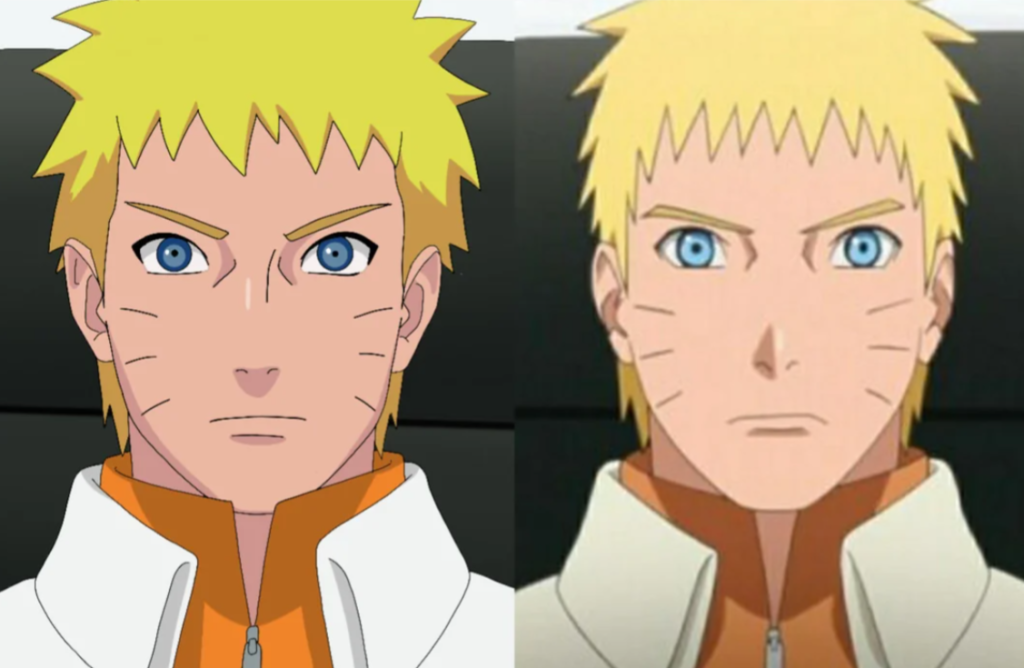
I was a Toonami baby. The block, the countdown, that cool robot voice telling me to keep my head up. And here’s what folks forget: shows I fell for back then did not look clean. Cowboy Bebop had a smoky, lived in quality to it, jazz drifting under a gunfight, whole scenes where nobody said a word and you just watched Spike smoke and marinate in his own regret. Trigun looked rough around its edges in spots and I adored it for exactly that. Berserk in 97 moved like a flipbook somebody dropped down a staircase, and it still put more dread in my body than anything with a billion frames does now.
So no, this isn’t the tired song about how everything used to be better. Plenty of old shows looked like garbage on a Tuesday. What I’m circling is something slipperier than quality. It’s identity. It’s a fingerprint.
Think about what a background used to be. Somebody painted that. A human being sat with paint and a brush and made a hallway in Rurouni Kenshin feel humid, made the neon in Akira bleed like it was sweating. Those settings had grime baked in because the labor was physical and imperfect and personal. You could almost smell each city. Now a lot of what I see is gorgeous in a car commercial sort of way. Slick. Rendered. Every surface catching a gleam that no back alley in real life has ever caught. The polish is undeniable. Soul underneath it is often just missing.
Part of this comes down to tools, and I’m not out here pretending otherwise. Digital compositing let studios pull off complex camera moves with a freedom and flexibility that traditional cel era production could rarely match. Fights swirl in three dimensions now. Water actually behaves like water. When Demon Slayer wants a slash to feel like it split open the sky, it splits that sky, and my inner child stands up and claps. I won’t take that from anybody. The ceiling for pure spectacle has never been higher than right now.
But watch what happened underneath all of that shine. A house style crept in. Open up five of your biggest ongoing series from recent years and squint. The character faces share identical proportions, identical doe eyes, identical shading logic sitting under a chin. The color grading leans on those same cool blues and warm oranges because that reads as cinematic and everybody’s chasing one look. It’s competent. It’s frictionless. And it flattens things until a whole medium starts to feel like it rolled off one assembly line with a couple skins swapped out.
Compare that to how instantly you could clock an older director’s hand. You knew a Kanada influenced action beat by how the smoke curled and the light popped, all that wild elastic motion breaking physics on purpose. You knew Kunihiko Ikuhara by how strange and theatrical he let a frame get. You knew Satoshi Kon before the title card finished, because that man edited reality like it owed him money. Those weren’t just pretty shows. They were somebody’s brain leaking onto a screen. Imperfection was their signature.
There’s also a rhythm thing nobody discusses enough. Older series knew how to sit still. They’d hold on a face. Let a room breathe. Let silence carry weight until you leaned forward on your own couch. That patience was partly a budget move, sure, since you can’t animate what you don’t have money to animate. But scarcity forced creativity. A held shot with good music and a good voice actor could gut you. Now the pressure pushes creators to keep visual dopamine flowing every few seconds, so quiet moments that once built a character get chopped down to make room for the next set piece. We traded atmosphere for adrenaline and I’m not fully convinced it was a good deal.
And can we please talk about the factory. The isekai pipeline, seasonal light novel adaptations getting pumped out on schedules that would make a sweatshop wince. When you’re producing that volume under those deadlines, individuality becomes the first casualty. There’s no time for a weird choice. No room for a background painter to get precious about light in one window. You need it on air, so you reach for a template, and templates carry no accent, no dialect, no regional flavor. It just is what it is and then it’s gone by next cour.
Now let me check myself before somebody in my comments does it for me, because it’s not all doom and I’d be lying if I said so. Chainsaw Man looked as filthy and strange and mean as anything from the golden era, and that was on purpose, a real aesthetic swing. Studio Trigger still animates like they’re allergic to sitting down, all that loud manic energy that could only come from specific people making specific choices. Frieren understood stillness better than most shows from any decade, letting long stretches of nothing carry the ache of watching everyone you love grow old. Dandadan is a whole mood unto itself. So the fingerprint isn’t dead. It’s just rarer, and it tends to show up when a team fights for it instead of taking whatever easy path technology lays out in front of them.
Maybe that’s my real point, one I keep circling back toward. Technology isn’t the villain here. It’s neutral, a bigger box of crayons than we’ve ever had. What changed is incentive. When a market rewards clean sameness over risky character, most output drifts toward clean sameness, because that’s how markets behave. Old grit wasn’t nobler than us. It was just what happened when passionate broke people made the best of limited means and let their weirdness show because hiding it cost more effort than they had to spare.
So where does all this leave a grown blerd who loves this medium too much to pretend? Right in the middle, honestly. I’ll keep pausing frames of new stuff to gawk at how good it looks, because it does look that good and denying it would be a lie. And I’ll keep going back to those smoky, imperfect, hand touched classics when I want something that feels like a person made it for a reason, not something a spreadsheet greenlit for a demographic. Both things stay true and I’m at peace holding them at once.
Give me the beauty. I want the beauty. But every so often, would it kill somebody to leave a smudge on the glass so I know a human was here? That smudge was never a flaw. That was the whole soul of a thing, and I’d hate for a generation to grow up thinking soul and polish were ever one word.
Staff Writer; Jay Baker
An older blerd with a lifelong love for anime, comics, manga, and gaming… Writing for fans who still believe great stories can come from a screen, a page, or a controller…
He can be contacted at JayBaker@AfroGamers.com.