
(AfroGamers.com) The industry has quietly figured out that some of its safest money does not come from whatever premieres next season. It comes from what a whole crowd of grown adults already loved back when they were broke and twelve.
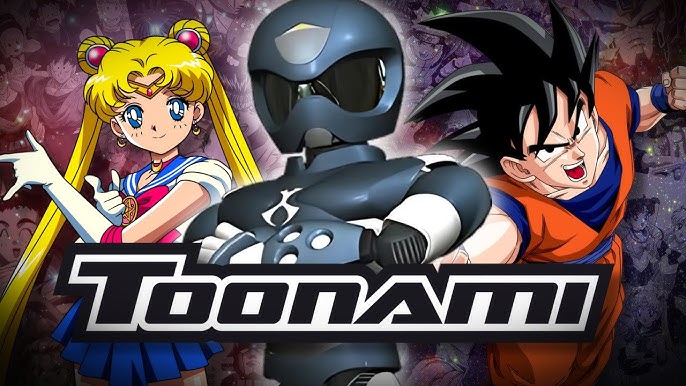
So who makes up a valuable part of the audience in 2026? Grown folks. The ones who caught Toonami after school. You would haul home from the bus so you did not miss Tom setting up the next block, since a live broadcast did not rewind for anybody. We were teenagers then, sneaking episodes of Gundam Wing while the homework sat there ignored. Some of us traded fifth generation VHS dubs at lunch, tapes so worn the colors bled together. Now that same crowd pays a mortgage. Got real jobs, got kids, got cards that actually clear at the register. And the people making these shows noticed all of it.
Here is the part nobody wants to say out loud. A brand new title is a gamble. You drop the entire budget on a cast nobody has met yet and hope the story lands before the season runs out. Some do. Frieren broke through, swallowed the timeline whole for a stretch of months, and reminded everybody that an original television arrival can still become a sensation. Behind each success, though, sits a pile of titles that disappeared around episode three with barely anybody around to clock it. You know what arrives with a head start? Bringing back something a million adults have tattooed on their childhood.
Look at what has landed lately. Rurouni Kenshin received a completely renewed television adaptation in 2023, with a new staff and cast. Ranma got dragged into the present looking sharper than it ever did on a fuzzy afternoon dub. Urusei Yatsura, a property older than much of the audience streaming it, came back looking like it had not aged a day. That is no accident. Call it a spreadsheet talking, dressed up as a love letter.
The reason it works is math wearing an art costume. My cohort, the one raised on grainy VHS and Blockbuster runs, has more spending power than it did when those shows first arrived. We are the ones dropping two hundred on a resin figure of a character we first met half asleep on a Saturday. We buy the fancy Blu ray box, the one with the art book stuffed inside, even though the thing streams three clicks away. Sentiment can loosen a wallet in a way that ordinary seasonal hype rarely does.
Bleach proved it loud. The original television run ended in 2012, leaving the manga’s final conflict unanimated for a decade. Then Thousand Year Blood War arrived in 2022 with cinematic direction and the kind of presentation longtime fans had spent years imagining. Its fourth and final cour began airing in Japan on July 25, 2026. Why return after such a long silence? Because the crowd was still there. Waiting. Ready to see the conclusion that the original series never reached.
Streaming platforms caught the scent too. The One Piece live action series looked like a dangerous bet. Manga and anime adaptations had disappointed viewers often enough that skepticism came naturally. Instead, the first season connected, the second arrived on March 10, 2026, and Netflix had already renewed the show for a third. Familiarity helped bring people through the door, but the production still had to earn their loyalty once they arrived. Then Yu Yu Hakusho followed the same road onto the same platform, using an established name to draw worldwide attention.
Trigun returned as Stampede, rebuilt from the studs up in a style Vash had never worn before. Some heads grumbled about the fresh coat of paint. The name still pulled eyeballs, but recognition alone could not settle every argument over what the new version changed. Sailor Moon received a fresh adaptation through Crystal, followed by the Eternal and Cosmos films. Fullmetal Alchemist keeps getting repackaged and resold whenever another anniversary provides an excuse. Dragon Ball basically never stopped, cycling through Kai, Super, and Daima while feeding multiple generations from a single well. The catalog stretching from the late eighties through the DVD boom has become a vault companies keep unlocking.
Let me put it plain for anybody who thinks this is only fan service. This is also a financial play, and a shrewd one. A company choosing between a wild original concept and a beloved revival may view the familiar property as the lower risk option. Recognition gives the project a running start. An existing audience already understands the characters, remembers the music, and knows why the announcement matters. That does not guarantee a profit, but it gives the marketing department something an unknown title has to build from the ground up. Especially in a market where production costs have climbed and streaming companies have become more selective about what they finance.
There is a quieter engine under all of it too. A lot of us are parents now, and we sit our own kids down in front of the stories that shaped us, half hoping they catch the same bug. That gives companies a second audience inside the same household. My cash for the memory, my child’s attention for the future. Two birds, one dusty box set.
I will not front though. Some of this sits wrong with me. We are digging up the past so hard that I wonder what is left to build from scratch. Pack a whole release slate with sequels, reboots, and thirtieth anniversary tins and something quietly goes missing. Cowboy Bebop did not crawl out of a boardroom scared of its own shadow. That kind of nerve, the thing that hooked us on the medium way back, needs air. And you cannot bring back a show that nobody bothered to make in the first place.
Still, I understand the logic completely. From where a producer sits, my emotional attachment is a renewable resource. They tap it, I pay, and the ledger starts looking friendly. Merchandise tied to an established title can reach a customer base that an untested property must earn one person at a time. Some collectors in their late thirties and forties treat limited pressings like investments, snatching them the morning they drop, then placing the extras on resale sites for twice the original price. Toonami itself returned to Adult Swim in 2012 after a surprise April Fools broadcast stirred up a loud fan campaign. Enough of us showed up to prove that the attachment had survived. The revival wave does not look finished. Every successful return gives somebody else a reason to search the catalog.
There is a catch nobody hawking this stuff mentions. Not every redo honors what it borrows from. Some are lazy, phoned in, obvious cash grabs that scrape the paint off a good memory. When a reboot fumbles the tone that made the source sing, longtime heads feel it instantly and the backlash gets ugly online. Even a misfire may pull an opening wave of curiosity, but attention does not guarantee lasting success or a profit. We will sometimes tune in just to complain, and the meter keeps spinning for at least as long as we remain interested enough to argue.
So expect more. Expect that dusty favorite you assumed everyone forgot to resurface with a slick trailer and a bright fresh logo. The tape you wore thin in 1999 may return in crisp 4K, priced like it just rolled off the line. Run the figures and you will see the pull plain as day, since those numbers adore our memories. Whatever raised you on a CRT with the volume dialed low so your folks would not hear, somebody in Tokyo may have circled it on a whiteboard with a fat dollar sign beside it.
Our youth is not just precious to us anymore. It graduated into an asset class. And business, from where they are standing, is very good.
Staff Writer; Carl Davis
This bro has always been into gaming, anime, manga, old-school sitcoms, and just about anything connected to nerd culture. A proud Black blerd for life, CD enjoys writing about the shows, games, and characters that have stayed with him over the years.
Feel free to drop him a message at CarlD@AfroGamers.com.