
(AfroGamers.com) There is a quiet graveyard of fitness apps on my phone, and I am the one who buried every single one. Over the years I downloaded just about anything that promised to fix my whole life. Some came with glowing rings you had to close. Others hollered at me in a crisp British accent like a drill sergeant who went to finishing school. I even tried the zombie one, where you run because something undead is supposedly chasing you, which mostly just made me paranoid at the bus stop. None of it stuck. All of those apps ended up buried in that sad little folder on my phone, the one I quietly labeled “Lies.”
But there is one piece of software that has had me out here logging serious miles since 2016, and it never once felt like a punishment. Funny thing is, it never even pretended to be about fitness. It just wanted me to go see what was hiding around the corner. You already know the name. Pokémon GO.
Ten years. Sit with that. A whole decade since the summer the entire planet lost its collective mind and wandered into the daylight at the exact same time. Folks who had not touched grass since the Clinton administration were suddenly walking through parks with their phones up, bumping into strangers, comparing screens, acting like they all shared a secret nobody had bothered to explain to the rest of the world. I remember it like it was last week. Drake was running the radio, the Avengers had just broken up on the big screen, and grown men were sprinting across a Target parking lot because somebody yelled that a Snorlax popped up by the carts.
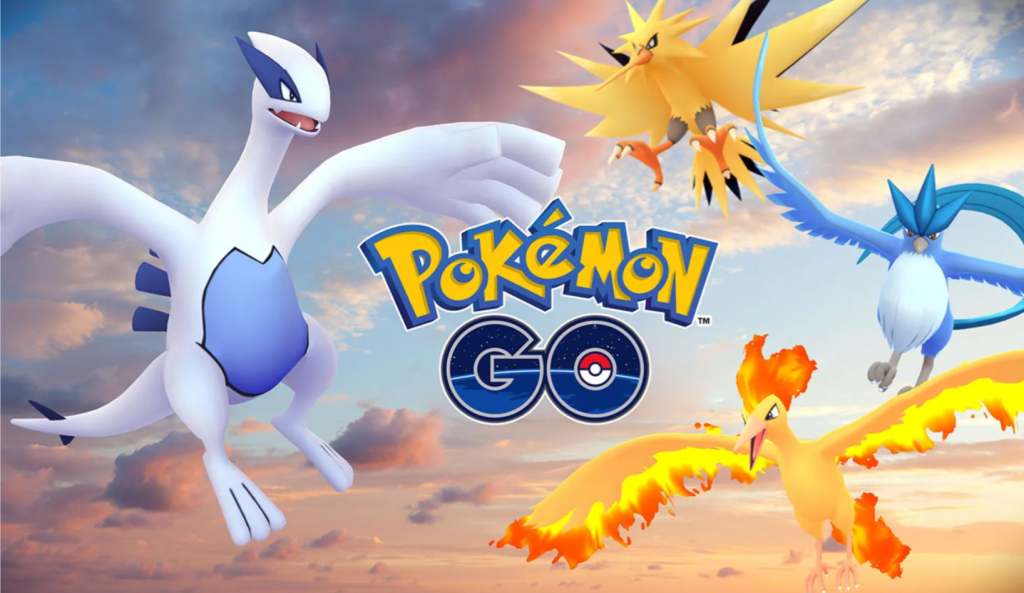
Here is the part that still amazes me, though. Most of those viral moments die. Fidget spinners had their month. That ice bucket business soaked everybody and then dried up. Trends are supposed to burn bright and vanish, and by every law of the internet, this one should have gone the same way. By that winter the crowds had thinned out so hard that people were already writing the obituary. Done. Over. A summer fling and nothing more.
And yet.
Here we are in its tenth-anniversary season, and the latest public figures still have the thing pulling more than twenty million people a week onto the sidewalks. Roughly half of them log in every single day, rain or shine, like brushing their teeth. Across the whole run, players have stacked up something past thirty billion miles on foot. Thirty billion. I had to read that number twice. That is not a video game stat anymore. That is a public health initiative wearing a hoodie and sneakers.
So what did this thing crack that every wellness app with venture funding could not? I have thought about this more than a grown man probably should, and I keep landing on the same answer. It made you walk without ever making walking feel like work.
That is the whole trick. That is the magic. Read it again because the fitness industry has spent billions trying to bottle it and keeps coming up empty.
See, a treadmill knows it is a treadmill. Your app knows. You know. There is no fooling anybody. You stand on that belt staring at a number, willing it to climb, fully aware that the only reason your legs are moving is so the number gets bigger. Walking is the chore, the chore is the point, and your brain is too smart to fall for the dress up. It clocks the homework immediately.
Niantic flipped the entire equation. They never asked you to exercise. They asked you to go on a little adventure, and the steps came along for the ride like a buddy you forgot was even in the car. You are not walking to hit ten thousand. You are walking because there is a raid two blocks over and your boy texted that a shiny is out, and you are absolutely not letting him catch it first. Your body moves. Your mind never files a complaint. By the time you look up, you have done three miles and feel like you got away with something.
Now, plenty of apps have tried gamifying movement. Badges, streaks, confetti when you hit a goal. Cute. But those rewards are made up. A digital trophy for steps is still a bribe, and once you stop caring about the bribe the whole house of cards folds. What this game built was different, and it rested on four legs that hold each other up.
First leg is nostalgia, and for a lot of us this one runs deep. I am a child of the late nineties. Those original red and blue cartridges raised me. So when the app let me catch the same creatures I chased as a shorty on a Game Boy with a dying battery, it was not selling me a product. It was handing me back a piece of my childhood and asking me to walk it around the block. That is a different kind of pull. You do not quit your own memories that easy.
Second leg is the collecting itch, and let me tell you, that itch is older than gaming. Humans have been gathering stuff and lining it up neatly since we lived in caves. That drive to fill every slot, to chase the rare one, to complete the set just so the little checkmark feels right, that is wired into us at the factory. The app just pointed that ancient hunger at the outdoors and said go get it. Suddenly your neighborhood is a place worth searching instead of just driving through with the windows up.
Third leg, and this is the one that surprised everybody including the developers, is community. I did not expect to make friends doing this. But there is a whole quiet brotherhood and sisterhood out here. A nod from another trainer at the gym. A stranger who tips you off about what is spawning by the library. Those big organized events where a few thousand people take over a downtown and for one afternoon nobody is a stranger. Folks have caught feelings and caught actual romance out here. People built standing crews that have hung together longer than some of their relationships. The 2024 GO Fest sold two million tickets. Two million people paid real money to go walk around together. You cannot manufacture that. You can only grow it, and it grew because the game gave people a reason to stand next to each other.
Fourth leg is the one nobody can copy because it is the planet itself. Its map is the real world. Your block, your weather, your time of day, all of it feeds into what shows up on the screen. That means the game is never the same twice, because your life is never the same twice. A boring Tuesday commute becomes a hunt. A trip you have taken a thousand times suddenly has a Pokéstop you never clocked before, attached to a mural or a fountain or some little historical plaque you would have walked right past. This app made me notice my own city. Ten years in my neighborhood and it took a phone game to show me the courthouse had a statue I had never once looked at.
Stack those four legs together and you stop having an app and start having a habit. And habits do not die when the hype fades. They just settle into the background of your life and keep humming.
It is not pure sunshine, mind you. That crowd is way smaller than the first wild summer, and it was never going to stay that size, because nothing stays that size. There is a new owner now too. Scopely bought Niantic’s games business for three and a half billion dollars, a number that tells you the suits see plenty of road left ahead. Whether new hands keep the soul intact is a fair thing to watch, and longtime trainers are watching close, the way you watch when somebody buys the corner store you grew up in.
But here is what keeps me optimistic. Early this year a wave of folks came flooding back, riding this whole 2016 nostalgia thing tearing through social media. Kids who played as actual children are grown now and picking it up again, finding the bones of the thing exactly where they left them, just with ten years of polish on top. Trading, friendships, nine generations of creatures, smoother everything. Its core loop never changed. Walk, look, find. Same simple promise it made on day one.
And that simplicity is the lesson the fitness world still has not learned. We keep trying to optimize people into health with data and guilt and yelling. We track sleep, count macros, set reminders, and dress it all up in motivation that smells like obligation from a mile off. Meanwhile a game about cartoon monsters quietly got millions of us to walk thirty billion miles by never once mentioning our health at all.
It did not tell me to exercise. It told me to go outside and see what I could find. So I did. I still do. And ten years later my favorite fitness app remains the one that never knew it was one.
Staff Writer; Jay Baker
An older blerd with a lifelong love for anime, comics, manga, and gaming… Writing for fans who still believe great stories can come from a screen, a page, or a controller…
He can be contacted at JayBaker@AfroGamers.com.