
(AfroGamers.com) Let me tell you what gets me. Every couple years a fresh crop of fans finds anime, falls all the way in love, and starts talking like the medium got born around the time they made a streaming account. No shade to the young folks, the passion is beautiful. But a few of us were knee deep in this well before you could summon any title on your phone at two in the morning. We earned it the hard way, chasing down beat up tapes and squinting at dubs copied so many times the color had gone soft.
Finding a good one took actual legwork. You dug through the back shelf at the video store, you set the VCR to grab something strange off late night cable, you begged a homie to record you his copy. That scavenger hunt was the whole thing. So keep Akira and the usual names off the table for a minute. These six survived on raggedy cassettes and word of mouth, and the veterans never did let them go.
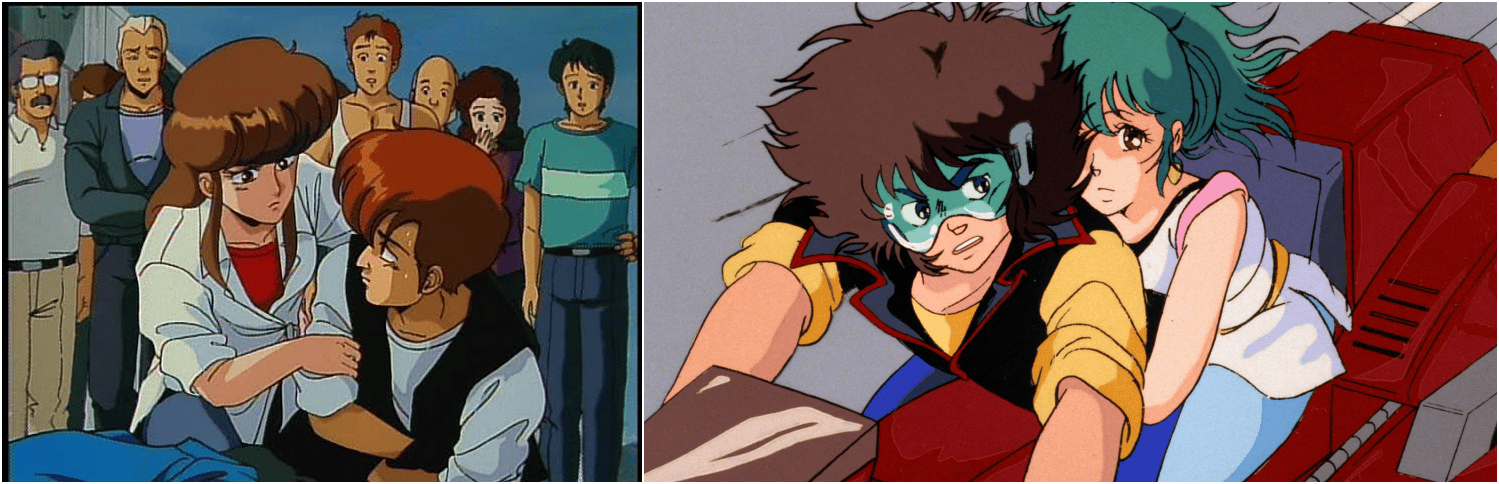
Start with Megazone 23 from 1985, because a big chunk of what came after owes it a debt. This became one of the early landmarks of the home video anime boom, reshaped into an OVA after plans for a television series fell apart, and it wrapped its cyberpunk mystery around the pop idol culture of the day. Shogo is your standard hothead, works a burger gig, lives for his motorcycle. A friend slips him a prototype bike called the Garland and his life goes sideways in a hurry. Come to find out the thing is secretly a war machine, men in dark suits want it back by any means necessary, and the deeper he digs the nastier the truth gets. His city, his entire reality, none of it is what he was raised to believe. If that setup rings familiar, well, The Matrix would play with a remarkably similar idea more than a decade later: reality is not what you think it is. Megazone 23 was already swimming in those waters back in 1985.
One year on, everything flipped silly with Project A-ko. This joint began life as an adult project before the crew wised up and shaped it into a real theatrical release in 1986. The premise is dumb in the best possible way. A-ko is a normal schoolgirl who just happens to be strong enough to chuck a tank, B-ko is a spoiled rich kid who builds robots to fight her, and the pair feud without end over a girl named C-ko while an alien fleet hovers over town like it is nobody’s business. Here is the trick though. Underneath, the film reads as one long valentine to other cartoons. Its title jacks a Jackie Chan movie. B-ko’s classmate Mari looks like she wandered in from Fist of the North Star. Superman and Macross bits go flying past in the background. Spotting them all was half the joy back then.
Then 1987 rolled up with Bubblegum Crisis, and a certain type of fan flat out lost it. Eight installments, straight to video, cool dripping off every frame. Mega-Tokyo got rebuilt after a bad quake, and now a company called Genom runs near about everything while pumping out android workers named Boomers. Trouble is the Boomers keep turning dangerous, getting weaponized, or ending up at the center of crimes the ordinary cops cannot keep up with. Enter the Knight Sabers, four women in sleek powered suits who take the gigs no other crew will touch. Sylia runs the operation while maintaining a lingerie boutique as her civilian business, Priss sings lead in a band when she is not armored up, and the score still slaps generations later. Blade Runner was clearly in the water, sure, but that big hair and those hardsuits and that music turned it into its own beast.
Come 1988 we landed Dominion Tank Police, the pick you reach for when you want your dystopia with a laugh attached. Masamune Shirow drew the comic, same man responsible for Ghost in the Shell, but leave the deep philosophy at the door for this go. Newport City is so choked with pollution that people strap on gas masks to step outside, crime jumps off constantly, and the law responds with literal tanks that flatten more of the block than the criminals ever do. Leona is the rookie, green and reckless, who wrecks her boss ride and cobbles a scrappy little tank named Bonaparte out of the leftovers. She loves that hunk of metal more than any human. What stuck with everybody were the Puma Sisters, the cyborg cat girls rolling with the villain, who spawned a devoted following all their own. It later turned up on the Sci-Fi Channel’s Saturday Anime block, where plenty of American fans stumbled across it during the 1990s.
Early 1989 brought Riding Bean, a jolt of pure American action from a Japanese team that clearly loved our high speed chase flicks a little too much. Kenichi Sonoda planted the story in Chicago. Bean Bandit is a mountain of a dude who drives a monster machine called the Roadbuster and hauls anybody or anything for the right stack of cash. His partner Rally handles the shooting. A gig goes bad, the pair get pinned for a kidnapping, and the back half is basically one long screaming pursuit that refuses to quit. The producers even hired top Los Angeles studio players, with keyboardist David Garfield handling the music, so the thing came loaded with slick American style jazz, fusion and road movie swagger. The plan was a whole run of these, but the money folks and the creator fell out cold, so we ended up with a grand total of one. That leftover fire later became Gunsmith Cats. Anybody who rides for Rally owes this little relic a real debt.
The Guyver closes us out, arriving later that same year and running clear into 1992. If you were young when it hit, odds are it left a mark. Sho is a plain high schooler right up until he stumbles onto a slab of alien armor that fuses to him whether he wants it or not, and from that point the show curdles into straight body horror wearing a superhero mask. A shady outfit named Chronos keeps cooking up monster men, the Zoanoids, and every time Sho suits up the change looks like it hurts something fierce. Blood all over the place. Your mama getting up to leave the room. Twelve episodes got sliced across a pile of cassettes when it crossed over here, and scoring a copy felt like holding contraband. They cranked out live action films afterward and a tidier remake in 2005, yet none of it landed like that filthy original, the armor creeping over the kid like it planned to swallow him whole.
That is the lineup. Six joints that lived on video before the web made every title a quick search away. The magic was in the hunt, the plain fact that landing one meant something because you sweated for it. No algorithm was handing you the good stuff. You had a tip from a friend, a beat up rental card, and a whole lot of faith that the blurry cover art was not lying. Chase one of these down this weekend if the names lit something up. And if you never heard of a single title before now, lucky you, because you get to trace a big piece of what you love back to where it started.
Staff Writer; Greg Tucker
GT is an old-school blerd who loves anime, comics, manga, video games, and collecting indie Black comic books.
Contact him at: GregT@AfroGamers.com.