(AfroGamers.com) If you came up in the streaming years, your gateway into this world probably looked like a phone screen and an autoplay button. One tap and you were neck deep in a season of something loud and gorgeous, subtitles flying by, the next credits already skippable in a heartbeat. That kind of access is a gift, and nobody should feel one bit bad about coming in the easy way. Here’s the catch, though. Everything you binge tonight got stacked on top of work somebody grinded out generations ago, and half those pioneers barely caught a sliver of the shine they were owed.
Rap does the exact same trick. You can ride for Kendrick all day long and never once press play on a Rakim tape, and your whole life is fine. Dig into the roots, though, and suddenly every clever bar in the present starts landing with a different kind of weight. Old ink operates on the same principle. Five books in particular carry the DNA of so much filling your queue right now, and once you meet them properly, you simply cannot unsee their fingerprints smeared across the new stuff.
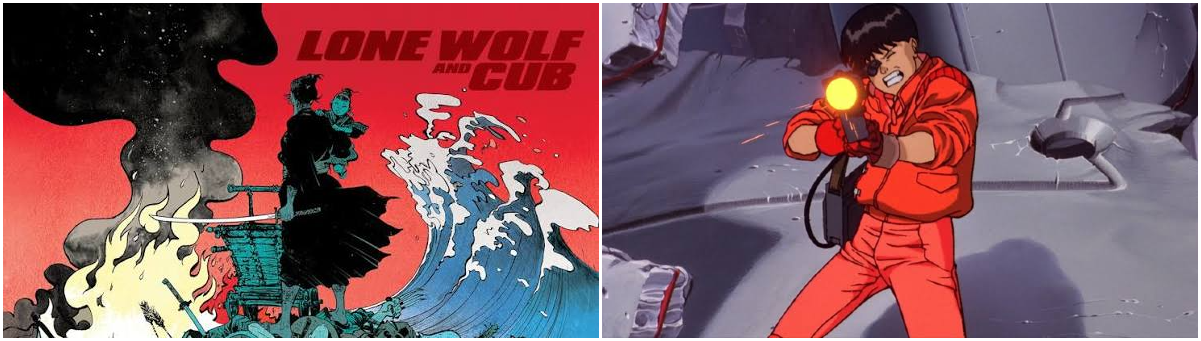
Start with Akira. Katsuhiro Otomo handed over years of his life to these panels, and you can feel it in each square inch. His Neo Tokyo doesn’t sit still behind the characters. It hums, it rots, busted concrete and tangled cable and neon leaking into the gutters. The man drew each rivet like it personally owed him rent. And under all the biker gangs and psychic meltdowns, the book is really two friends falling apart. Kaneda and Tetsuo came up together, then one of them tastes real power and the whole thing sours from the inside. Anybody who watched a tight bond rot over jealousy already knows how this hurts. The scope here is enormous, yet Otomo never loses the small human beats underneath the wreckage. Its fingerprints can still be spotted across cyberpunk cities in manga, anime, film, and games decades later. The movie gets most of the glory, sure, but the printed version goes much deeper and considerably farther, and it earns its brutal ending panel by panel.
Next, slow all the way down for Lone Wolf and Cub. Two names run this one, Kazuo Koike on the writing and Goseki Kojima on the art. What they made hardly acts like a comic at all. The premise is dead simple. A ruined executioner drags a wooden cart across feudal Japan, and his baby son rides along inside it. Wherever the pair stops, blood tends to follow. So does grief. Whole chapters roll by without a single word spoken. Just wind. Boots grinding dirt. A sword doing what a sword does. Kojima’s brushwork moves the way a scroll unrolls in real time, unhurried and sure. You feel the weight of each step in your chest. Modern creators who understand that silence can hit harder than shouting have been walking ground this series helped clear for decades. Frank Miller openly championed the series and acknowledged its influence on his own comics. The lineage runs bone deep.
Now bring the noise for Fist of the North Star. Buronson and Tetsuo Hara cooked up a fried, lawless future where every dude is packed with impossible muscle and the bad guys have a nasty tendency to pop from the inside. Kenshiro treks a scorched earth, jabbing secret pressure points, murmuring his famous line right before his foes burst apart. First glance, it’s nothing but spectacle, cartoonish and ridiculous in the finest possible way. Sit with it a spell, and you catch on that the book actually cares. Ken keeps throwing hands for folks who cannot throw them back, in a place that quit protecting its own ages ago. That template helped shape the language of battle manga that followed, the stoic hero, outrageous rivals, escalating threats, and bodies pushed beyond anything remotely human. Plenty of fighters who came later walked at least part of a road Ken helped pave with his knuckles.
Then comes Devilman, and honestly, buckle your seatbelt. Go Nagai wrote the thing back in the early seventies, and it remains among the most unhinged, tragic, gut punching stories the form has ever produced. Akira Fudo bonds with a demon to fight demons, believing he can rescue humanity, only to watch humanity reveal itself as the true monster in the room. What begins as a creature brawl curdles into an apocalyptic gut check about mob violence and fear. Nagai had zero interest in comfort. He wanted to grab you by the collar and ask what people become when panic grips the wheel. Evangelion openly carries his fingerprints in its DNA, while later demon soaked works such as Chainsaw Man echo some of the same mixture of grotesque violence, humanity, and apocalypse. His willingness to burn the entire world down for a single point helped make that kind of scorched earth storytelling part of manga’s vocabulary.
Finally, meet Battle Angel Alita. Yukito Kishiro started rolling this cyberpunk run out in the early nineties, and somehow it reads fresher than half the stuff hitting shelves today. A doctor digs Alita out of a scrap heap, a cyborg with no memory of her past, and rebuilds her piece by piece. She spends the rest of the saga swinging her fists toward some idea of who she used to be. The fights go hard in ways only drawn panels can manage, limbs smearing, bodies moving how no flesh ever could. But the brawling was never really the point. Alita is scrambling to work out who she even is while wearing hardware some stranger bolted onto her, and chasing that answer is what keeps you flipping ahead. Kishiro took those classic cyberpunk questions about identity, memory, flesh, machinery, and the soul and made them painfully personal. Alita became one of manga’s most memorable vehicles for asking what remains of a person when memory, flesh, and even the body itself can be replaced. James Cameron spent roughly two decades developing an adaptation before Alita finally reached theaters in 2019. The source material clearly gave him plenty to chase.
So what stitches these five together across such wildly different moods? Ambition, mostly. Not a single title on this list ever once played it safe. Each reached for a payoff bigger than a quick thrill, and the reaching is exactly why they endured while flashier peers faded. Together they showed just how far manga could stretch, carrying horror, philosophy, tenderness, and absolute chaos at once, occasionally within the same breathless page.
Here’s the notion I want you to sit with a minute. Loving the new wave requires no homework at all. You never have to eat your vegetables before dessert, and anyone telling you otherwise is a gatekeeping bore. But when you finally trace a favorite trope back to where it was born, the whole hobby cracks wide open. You begin noticing echoes everywhere you look. A silent standoff, a warrior pushing past total collapse, a metropolis eating itself alive, a machine quietly asking what it means to feel anything. All of it got planted decades ago by artists working with brushes, endless patience, and a flat refusal to think small.
Pick any of these and gift it a weekend. Let it be strange. Let it drag when it drags. Let it get ugly when it gets ugly. Chances are the thing you figured was some brand new invention has been parked on a shelf for forty years, just waiting on you to catch up. And here comes the real payoff. After the classics sink in, everything you already love hits deeper, because you finally clock the artists tipping their caps to the ones who taught them the moves.
Staff Writer; Greg Tucker
GT is an old-school blerd who loves anime, comics, manga, video games, and collecting indie Black comic books.
Contact him at: GregT@AfroGamers.com.