(AfroGamers.com) The most infuriating thing that a story can do is create a character or plot device that starts off following a premise only for that premise to be completely lost along the way. The same applies with movie and book tropes that fall short of fulfilling even the basic expectations of that trope. Just as we see with the ‘villainess trope’, which we can find in a lot of manga, manhwa and manhua nowadays.
Simply put, the villainess trope consists of a female character who acts as the protagonist of a story which from a different perspective could have them actually be characterised as the antagonist. They are often hated or misunderstood by one or more characters in the story. Unfortunately, as time moved on and more villainess stories are written and released, some authors have forgotten the selling point of a villainess character by just having them inherit the label of one without the personality traits and motives that come with it. And that is why this article means to name some villainesses who live up to the title and should serve as textbook examples of how an actual villainess character should be written.
DISCLAIMER: This list consists of villainesses written as protagonists of their respective manhwa/manga, not those actually written as antagonists.
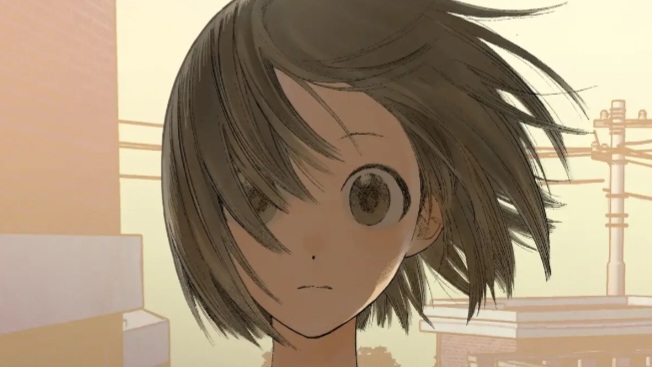
Remilia from The One Within the Villainess
In no particular order, the first incredible villainess is Remilia from The One Within the Villainess. This is a recognisable manga known for its faultless use of the villainess trope in its characterisation of the protagonist, Remilia. She is a character who became a villainess because she was seeking revenge for the person she loved, Emi. In her eyes, Emi was the only person who truly loved and cared for her and that is why when she sees her be mistreated by the people she had helped in the past, Remilia finds it in herself to get back at them for hurting her.
The One Within the Villainess is one of those manga that nicely switch up the portrayal and motivations of the typical villainess protagonist – which is that she doesn’t act for herself but for someone else. And they do this by almost having Remilia occupy an omniscient narrator position instead of just having her be transmigrated, reborn or isekai’d into a story. She is an original character of that world who so happens to find out what happens to herself in the future and manages to change it for the better.
Roxana from Roxana
Although left discontinued and incomplete, Roxana is a chef’s kiss of a manhwa of the villainess trope. It is one of those manhwas that remain a classic for readers of the trope and a must read for those just starting out in the scene.
You can say the manhwa has a convoluted plot with how many characters and plot points there are involved in the overall premise, but it is that complexity that makes it special. The intricate dynamics of the Agriche family members, and what classifies them as an ‘evil family’ brings into perspective how and why Roxana is the way she is. Her twisted personality makes sense, but we as the readers can still hold her liable for the malicious acts she commits – even though, we can’t help but cheer for her when her plans succeed.
From raising poisonous butterflies to facing murderers for siblings, Roxana showcases how she survives in a world governed by a ‘kill or be killed’ rule.
Celestine from The Flowery Path of Evil
This manga is unique in its depiction of relationships with the leading lady Celestine first being introduced on an altar getting married to a man twice her age. Surprisingly, she takes on the situation with open arms because she in fact loves and prefers older men. The manga almost immediately shows us how Celestine and her husband are a couple so strongly supportive of one another, even when faced with gossips of their involvement in criminal acts and activities – which is true that they are. Nonetheless, Celestine is written as a villainess who holds her head high and uses the political and financial power her husband – the prime minister – to shut down all those who get in the way of her happy life.
The Flowery Path of Evil is honestly more of a wholesome read than anything, but the main reason Celestine is on this list is how she – a girl isekai’d from the 21st century – is so accepting of some of systems of the era she is in. Such as, medieval torture, slavery, and child marriages.
Lass from I Will Fall With the Emperor
Just like Remilia, Lass is a villainess driven by revenge. Now reborn, Lass was abused by her family, cast away by her country and left to die as a prisoner of war at the hands of her enemy; the once kind, pushover of a princess turned sinister to avenge a version of herself that died in another life.
Lass is an interesting villainess compared to most out there because of how humanised she is. Even though she schemes to bring down her family, burning people alive and conquering countries and taking their resources along the way to do so, she finds the time to build strong friendships and a healthy, romantic relationship with her husband. There are scenes where she gets flustered, laughs, and jokes like any regular person that it has us forgetting the premise of her character – even for a moment.
I Will Fall With the Emperor should be considered underrated because it is a rare manhwa where a villain-villainess couple are the protagonists. So not only can you enjoy a villainess main character but change perspectives to a villain main character.
Sarang Yu from I Dare You
Four words; Puts. Mom. In. Freezer.
Sarang Yu is just insane that it is hard to figure out what she is thinking. And when she explains the reason for her actions in an inner monologue, you find how much sense her strange and sometimes brutal actions mean even though you still think there was a better way for her to handle them.
The manhwa – a modern-day psychological thriller – is still ongoing but the chapters that have already been released all have a gripping effect on its readers. Since its still in its early stages of release, there isn’t too much to reveal besides the main premise of how a group of high schoolers try to gauge Sarang Yu’s sanity by making her complete dares from their made-up ‘Embarrassment Game’. We also figure out Sarang Yu’s living conditions, about her abusive father and, of course, how she keeps her deceased mother in a kimchi freezer.
I Dare You is an interesting addition to the (modern) villainess trope and more so in the psychological horror scene.
Even though only five characters were listed who act like actual villainesses across manga and manhwa, there are obviously a lot more out there. But because the respective manga and manhwas are treated like they are overrated or simply pushed back to make room for more mainstream content, readers are left unsatisfied when they read on villainesses that act preppy and kind than cruel and deceptive. Hopefully this article helps someone out there to finally quench that thirst.
Staff Writer; Fadzai Nyamande
A South African who brings her love for fiction, manga, and storytelling into every piece she creates. Her writing is shaped by imagination, curiosity, and a true appreciation for the worlds stories can build.
Feel free to drop a note at; FadzaiN@AfroGamers.com.