
(AfroGamers.com) There is a quiet contradiction sitting on collector shelves across the country, and it deserves an honest look.
Walk through any con floor in 2026 and count the shopping bags before you count the folks actually breaking down an episode. Money is moving. Booths stacked with resin statues stretch farther than they did a decade back, the apparel racks got deeper, and every streaming platform wants another monthly payment like clockwork. Yet ask somebody rocking a fresh Gojo hoodie to walk you through why that character’s arc hit so hard, and half the time you get a shrug dressed up as a vibe. We are buying like the culture never ate this good. Something about the remembering, though, feels thinner than it used to.
I came up when access itself was the grind. Toonami meant a finger parked over the record button, praying the tape had room left on it. Fuzzy VHS dubs got handed around the lunch table like contraband, and if a fansub group went quiet for a month, you just waited, since waiting was all there was. That friction shaped us. Scarcity made you loyal. You rewatched the scene that wrecked you until you had every frame memorized, then burned weeks arguing about it with anybody who would sit still. The love was earned. Now the whole library lives one thumb-swipe away, and abundance has a funny knack for flattening attention.
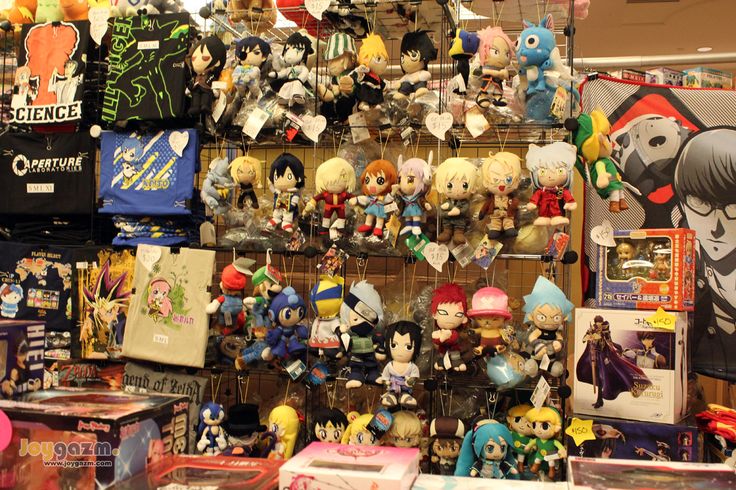
Here is the part nobody at the merch table wants to say out loud. The industry figured out that memory is expensive and product is cheap. The industry can sell you a Nendoroid of a boy whose backstory made grown men cry, and you never have to know that backstory to want the toy. The face sells. That struggle underneath it? Optional. So the machine keeps cranking out $200 scales, limited drop tees, and gacha banners engineered to pull your wallet faster than any villain ever pulled a sword.
None of this makes collecting evil. My own space holds a few pieces I would run into a burning building for, and I feel zero shame about it. Owning a beautiful statue of Guts hunched over his blade can be a genuine act of devotion, a way to keep Miura’s grief-soaked masterwork close. Trouble starts when the object replaces the thing it was supposed to honor. You cannot cosplay your way into understanding. A shelf full of Uchiha gear means nothing if you skipped the parts where that clan’s tragedy actually unfolded.
Think about what a real narrative used to demand. Cowboy Bebop sat you down inside somebody else’s loneliness and let a jazz score do most of the talking. With Fullmetal Alchemist, equivalent exchange stopped reading like a tagline right around the moment it cost the brothers everything. That kind of weight does not fit inside a keychain. It asks for hours you would rather spend elsewhere. Patience too, plus the nerve to sit in discomfort, which is exactly the toll this fandom keeps trying to dodge.
Streaming deserves some of the blame, and I say that as a man who pays for 3 different services. Autoplay treats a finale like a speed bump. The next thing loads before the last frame settles, cutting off the silence after a death that needed room to do its job. Algorithms reward completion, not contemplation. You get nudged to consume 40 titles a year instead of loving 4 of them the way loving is meant to feel. Volume replaces intimacy, and intimacy was always the whole point.
Social media pushes the same way, just with a prettier filter slapped over it. One clip goes viral and the sound behind it becomes a trend inside a week. A few edits later the character is a mascot, and millions can nail the pose without the faintest clue who the person under it ever was. Naruto’s whole run got flattened into a reaction meme for people who never once asked why that kid kept dragging himself off the ground. Turn a hero into a punchline and the reason anybody cared just quietly evaporates. What spreads is the surface. Meaning tends to stay home.
Consider a saga built to be felt slowly. One Piece has sailed past 1,100 chapters, and the heads who truly ride for it can tell you exactly why a small crew weeping over a beloved ship wrecks people every single time. That payoff got earned across nearly three decades. You cannot download the ache. A poster of the Straw Hats on your wall is gorgeous, sure, though the real treasure was always the years you spent watching a dream refuse to die.
I keep circling a question I cannot shake. Has our fandom become an act of purchasing rather than an act of connecting? When identity gets built out of receipts, out of the drop you copped and the piece you preordered, we drift from whatever pulled us in as kids. Nobody fell for this art form because of a price tag. We fell because a story reached through the screen and grabbed us by the collarbone.
There is a fix, and it costs nothing but intention. Rewatch something slow. Skip the newest hyped release for a season and go replay a classic that shaped you, phone face down, notifications off. Talk to another head about theme instead of tier lists. Read the manga a beloved adaptation came from and feel how much richer the original tends to breathe. Let a hard ending sit inside your chest overnight without reaching for a screen to see how strangers reacted.
Collecting and remembering are not enemies, and I want that understood. The healthiest heads I know do both. They own the statue and can recite exactly why the moment it captures matters, down to the episode, the score, the line that broke them. Their shelves are altars, not receipts. Balance is the goal here, not some guilt trip about spending.
Anime earned its place in Black nerd culture because it took pain seriously, because it let heroes fail and grow and mean something real. Goku, Guts, Spike, Edward, each one carried weight we recognized in ourselves. Honor that legacy by protecting the memory, not just the plastic. Cop the figure if it moves you. Just make sure you can still tell a person, with your whole chest, exactly why it moves you at all.
Shelves will always be there. The question is whether the story still lives in you when the lights go down.
Staff Writer; Jay Baker
An older blerd with a lifelong love for anime, comics, manga, and gaming… Writing for fans who still believe great stories can come from a screen, a page, or a controller…
He can be contacted at JayBaker@AfroGamers.com.