
(AfroGamers.com) There is a particular joy that lands when the machine everybody counted out just will not fold. MF GHOST runs on that joy. Nothing about the show screams revolutionary, which is probably why it sneaks up on you. Kanata Rivington rolls into the MFG circuit driving a Toyota 86. A modest little coupe. Then he parks it beside the Ferraris, Porsches, and whatever else rolled onto the grid that season, and his ride looks almost embarrassed to be standing there. Smart money says he gets swallowed alive. That gap between what he brought and what everyone around him brought is the entire reason to tune in, and it taps a nerve far older than this show.
Anybody who came up on Toonami knows this rhythm in their bones. The kid nobody respects. That scrappy fighter whose technique should not work but somehow keeps working. Then the squad everybody wrote off before the whistle even blew. We circle back to that shape over and over because it looks a whole lot like how many of us actually live. You do not always draw the strong hand. Sometimes the deck is stacked against you, the money is short, folks are loud about why you will flop, and you still have to build something out of the little you were handed. Watching Kanata thread that Toyota through a bend three cars deep is more than gorgeous animation. It is an argument about earning your spot when the odds already decided you had no spot coming.
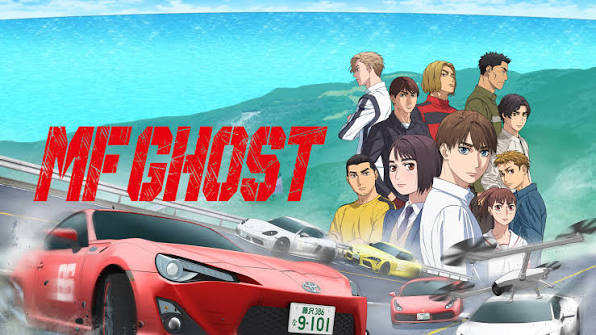
Shuichi Shigeno understood this back in the Initial D days, and he doubled down here. Takumi had his tofu delivery hauler. Kanata, the student who carries Takumi’s lessons forward, pilots a modest coupe with a fraction of the muscle his rivals carry. The exotic rides around him make more grunt, cost more money, and scream louder off the line. What none of that money can buy is the thing sitting behind Kanata’s eyes. He reads a wet surface like scripture. Grip appears and disappears in the same breath, and he tracks all of it. He treats momentum the way a jazz cat treats a downbeat, patient until the precise instant it matters, then gone before anybody can react. That is the case the series keeps making. Brains, feel, and cold nerve can humble raw output every time it counts.
And listen, this is not really about pretend racing at all. It is about how we assign worth to people. There is a tired belief that the biggest engine, the fanciest badge, and the loudest resume automatically come out on top. MF GHOST spends episode after episode dismantling that lie in real time. Even under MFG’s grip-to-weight regulations, the exotic rides bring enormous power, price, and straight-line advantages. Yet week after week, this kid in the underpowered coupe forces them to prove they deserve the spotlight. That flip feels good for a reason. Plenty of folks have walked into a room where somebody already decided the flashiest option in the building was the safe bet, only to watch quiet skill rewrite the whole conversation.
The beauty is in how honest the tension stays. Shigeno never lets an upgrade erase the Toyota’s fundamental disadvantages. Even when the 86 gains more fighting power, it never becomes the kind of machine that can simply overpower everything around it. On a long straight, those beasts still pull away, and there is only so much our guy can do about it. So the drama shifts to the twisty sections, the braking zones, and the moments where a human choice matters more than a spec sheet. That restraint is what makes it land. A hero who just cheats the physics of his own world bores you quick. What keeps you glued is watching him bend those same laws with patience, with a mind already sitting three corners ahead of the pack hunting him down.
There is also something deeply relatable about loving the thing that was not supposed to be special. Anybody who ever fell for the budget console, the thrift store gem, the sneaker nobody else clocked, or the album the critics slept on gets it. This Toyota is not glamorous. It does not make you gasp when it rolls up. What it does is pull you in close, so you notice exactly what the person steering it can do. That distinction matters. Real ones have always understood that flash and substance are two entirely separate currencies, and only one of them holds value when the pressure arrives.
Anime has leaned on this template forever, but MF GHOST refreshes it by grounding everything in something tactile. This is not glowing swords or spirit energy or a hidden power level waiting to unlock. Just asphalt, rubber, and a competitor refusing to blink. The stakes feel earned because the physics feel earned. When our hero claws back time in a bend nobody thought was possible, you believe it because the story already showed you the receipts on how he pulled it off. That kind of writing respects the audience. It assumes we are sharp enough to appreciate craft over spectacle.
So why does this land harder than a plain power fantasy? A story where the strongest dude just flattens the field is fine. Fun, even. It just tends to fade the moment the episode wraps. The one where some smaller, quieter competitor everybody slept on outthinks a whole grid of monsters stays lodged in you for good. It tells you the contest was never only about who arrived with the most. Winning came down to who understood the terrain, who kept their composure, and who wanted it badly enough to master every detail nobody else bothered learning. That message does not age, and we need it now as much as ever.
The rivals help too, because not a single one of them got written as a cartoon villain. These are gifted drivers who put in real work and earned every bit of their shine. The series takes them seriously, so each duel turns into a live question instead of a lock. That single choice lifts the ceiling for the whole cast. Beating a chump proves nothing. Outdueling a legend in a superior machine while piloting something humble is the kind of victory people remember, repeat, and argue about long after the credits roll.
MF GHOST is not reinventing the wheel, and it has no need to. It simply reminds us why the wheel worked in the first place. Give people a hero who should not stand a chance, hand him nothing but wit, grit, and a ride everybody wrote off, then let him carve his name into the pavement anyway. That is the oldest and finest story we have, dressed in fresh bodywork. The little Toyota was never really the long shot anybody should have feared. It was the quiet warning that muscle alone was never going to be enough.
Staff Writer; Jay Baker
An older blerd with a lifelong love for anime, comics, manga, and gaming… Writing for fans who still believe great stories can come from a screen, a page, or a controller…
He can be contacted at JayBaker@AfroGamers.com.