
(AfroGamers.com) Whenever some new convert acts like anime just took over the world, I have to laugh a little. Scroll any timeline right now and you would swear the whole thing got invented last Tuesday, born the day Demon Slayer started trending. That notion skips clean past the folks who laid the foundation. Truth is, much of the blueprint for modern anime got drawn up in the seventies, back when most of the planet was not paying Japan any attention at all. What we love about the medium today, all its swagger and heartbreak and big ambition, those seeds went into the ground half a century ago, long before any of us fell in love after homework.
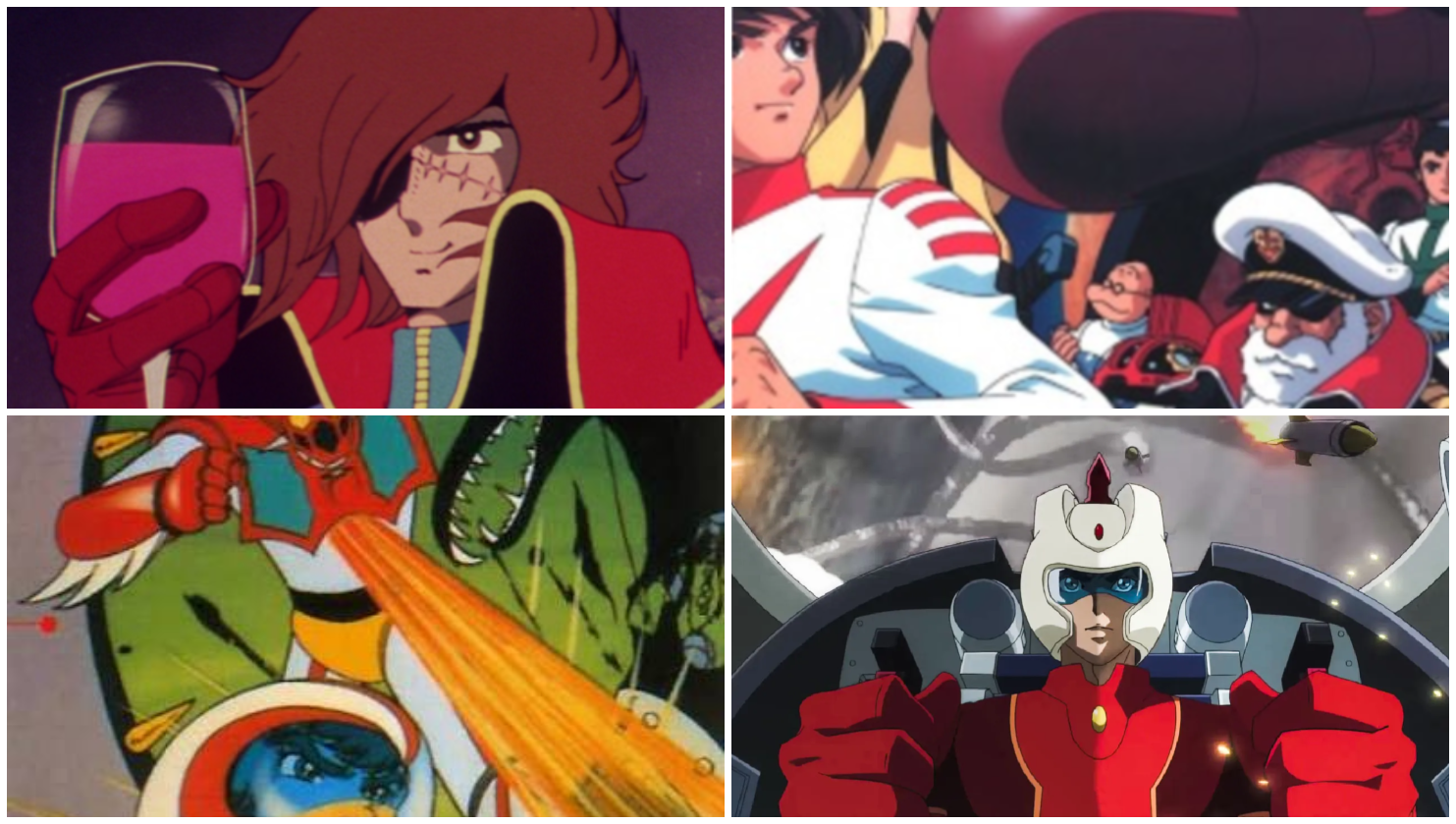
Let me take you back.
Start with the machines, because that is where a lot of us got hooked. In 1972, Go Nagai gave us Mazinger Z, and the man changed everything by doing one simple thing. He put a person inside the cockpit. Before then, giant mecha were generally controlled from a distance, like fancy toys operated by remote control. Nagai said nah, let a kid named Koji Kabuto climb in and drive this thing like a car. Suddenly the pilot and the metal beast breathed as one being. Toei animated it, that Super Alloy Z was forged from the fictional element Japanium mined near Mount Fuji, and Dr. Hell threw his mechanical monsters at the boy week after week. Two years later, Nagai and Ken Ishikawa dropped Getter Robo and pushed the concept even further, three pilots combining their vehicles in different formations to create three distinct robot forms. Every combining Voltron, every Megazord you screamed about growing up, that whole lineage runs right back through these builders and the wild imagination they poured into every frame.
Then Yoshiyuki Tomino showed up in 1979 and broke the formula on purpose. He looked at the giant machine and refused to let it play savior. In his hands it was just a weapon, cold hardware some poor kid got stuck driving, and Mobile Suit Gundam built its bones on that ugly little truth. His mobile suits carried no magic. They were treated as military hardware, with prototypes, mass produced models, mechanical limitations, repairs, and constant maintenance, and the fifteen year old civilian named Amuro Ray who climbed into the Gundam never asked for any of it. Conflict simply landed on his doorstep.
The Earth Federation clashed with the Principality of Zeon, and Tomino, a creator whose childhood unfolded during the destruction of wartime Japan, flat out refused to pretend combat was glorious. He soaked the whole production in real politics. Zeon carried unmistakable fascist and militarist imagery, and the story asked you to sit with the ugly cost of every death. Executives wanted a toy commercial. Tomino handed them a meditation on grief. Wild part is, the planned run was cut short, but reruns, Bandai model kits, and a successful theatrical trilogy transformed it into a phenomenon. That real machine philosophy, hardware instead of heroes, left a mark on everything from Evangelion to generations of animated and live action mecha stories that followed.
Now let us talk about the stars, because iron giants were not the only frontier being opened.
Space Battleship Yamato launched in 1974 and pushed serialized television anime toward a scale and seriousness few earlier productions had attempted. It told one long, unbroken story. The run went twenty six episodes, and each one genuinely carried over into the one that followed. No tidy reset button waited at the end of the week, the crutch so many other children’s programs leaned on back then. Yoshinobu Nishizaki and Leiji Matsumoto had themselves an old battleship that sank generations ago and sat abandoned after Earth’s oceans dried away. They used that wreck as the foundation for a starship. Wild premise, right? Its crew rockets clear across the galaxy to save an Earth already poisoned by the alien Gamilas. That clock was running the whole time. Extinction was not a maybe for humanity. It sat on the calendar with a date attached. That weight, that feeling that everything mattered, snagged older viewers who had written the art form off as kid stuff.
The original broadcast struggled in the ratings and had its planned run shortened. Then reruns gradually found an older and more dedicated audience, and the successful 1977 compilation film turned that growing loyalty into a national phenomenon. A science fiction fever spread across Japan for real. That obsessive breed of superfan we call otaku? Yamato helped create one of Japan’s first major generations of organized, deeply committed anime fans. Over in the States we eventually got the thing repackaged as Star Blazers. It even walked off with the Seiun Award, one of Japan’s leading science fiction honors. Serialized craft, the exact quality that makes One Piece and Attack on Titan the cultural monsters they are, earned one of its strongest early proofs of concept right here.
Leiji Matsumoto was not finished either. He handed us Captain Harlock, and if you ever wondered how anime perfected the brooding outlaw archetype, look no further. Harlock sailed the sea of stars aboard the Arcadia, a man of honor spat out by a corrupt, lazy government that feared him even while he defended humanity. He did not wave a flag for anybody. Loyalty went strictly to what he believed in, full stop. Melancholy hung over every single frame. Every wounded loner who came after owes that captain a little something. Spike Spiegel carries echoes of him. So does Vash, plus about a hundred other beautiful, rebellious souls the medium keeps handing us. That same year gave us Galaxy Express 999. Young Tetsuro climbs aboard a train that rides clear through the cosmos, and the mysterious Maetel settles in beside him. He is chasing a body death cannot touch. The trip teaches him precisely what a wish like that will cost a person.
Here is the part people sleep on hardest, though. This art form was already grown when the world showed up.
The Rose of Versailles belongs in this same conversation, and it arrived in 1979. Riyoko Ikeda never once watched the French Revolution from a safe balcony. She wrote her people straight into the fire of it. Her lead is Oscar, and here is the twist: this is a woman her father raised as a man so she could serve as a military officer and stand guard over the crown. Now she is cornered. Her oath tugs one direction while the country falls to pieces around her, and Ikeda refuses to let that knot loosen for a second. Class, gender, rebellion, the guillotine’s shadow, every bit of it got handled with a maturity rarely attempted in contemporary television cartoons. Tadao Nagahama directed the early episodes before Osamu Dezaki took control and placed his unmistakable cinematic stamp on the later chapters. Nobody talked down to the audience. They trusted grown viewers to feel grown things, sit with heartbreak, and wrestle with a nation’s guilt, and that trust made all the difference in the world.
So when your cousin acts like the whole medium sprang up out of thin air, you can set the record straight with love. The piloted mech, the sprawling galactic epic, the tragic loner, the political weight, the long unfolding arc that keeps you up until three in the morning, none of it counts as new. Craftspeople built every last pillar during one remarkable stretch, working on children’s television budgets while smuggling in ideas about mortality, memory, freedom, and revolt.
We simply arrived fashionably late. The house was already jumping, and it had been for a good while. Real respect belongs to the ones who flipped the lights on. Next time Frieren makes you cry or a thruster fires up on your screen, tip your cap toward the seventies, because that stretch handed us much of the blueprint and asked for almost nothing in return.
Staff Writer; Jay Baker
An older blerd with a lifelong love for anime, comics, manga, and gaming… Writing for fans who still believe great stories can come from a screen, a page, or a controller…
He can be contacted at JayBaker@AfroGamers.com.