
(AfroGamers.com) Counter-Strike 2 stands as the most-played game on Steam in 2026, regularly climbing past a million concurrent players during its daily peaks. A count like that should settle every argument about the game’s health. It doesn’t, at least not for me, and I’ve spent a while trying to work out why.
A shooter this loud should feel finished. It does not.
Valve’s baby broke its own ceiling in April of last year, touching an all-time high of 1,862,531 people online at once. Millions continue to play it, and one widely circulated independent estimate placed its 2025 transaction revenue around $1.16 billion, with a large share tied to case keys, marketplace fees and other in-game spending. By every metric a suit would slap on a slide, the thing is winning.
So why do I boot it up some nights and feel like I walked into a gorgeous house with no furniture?
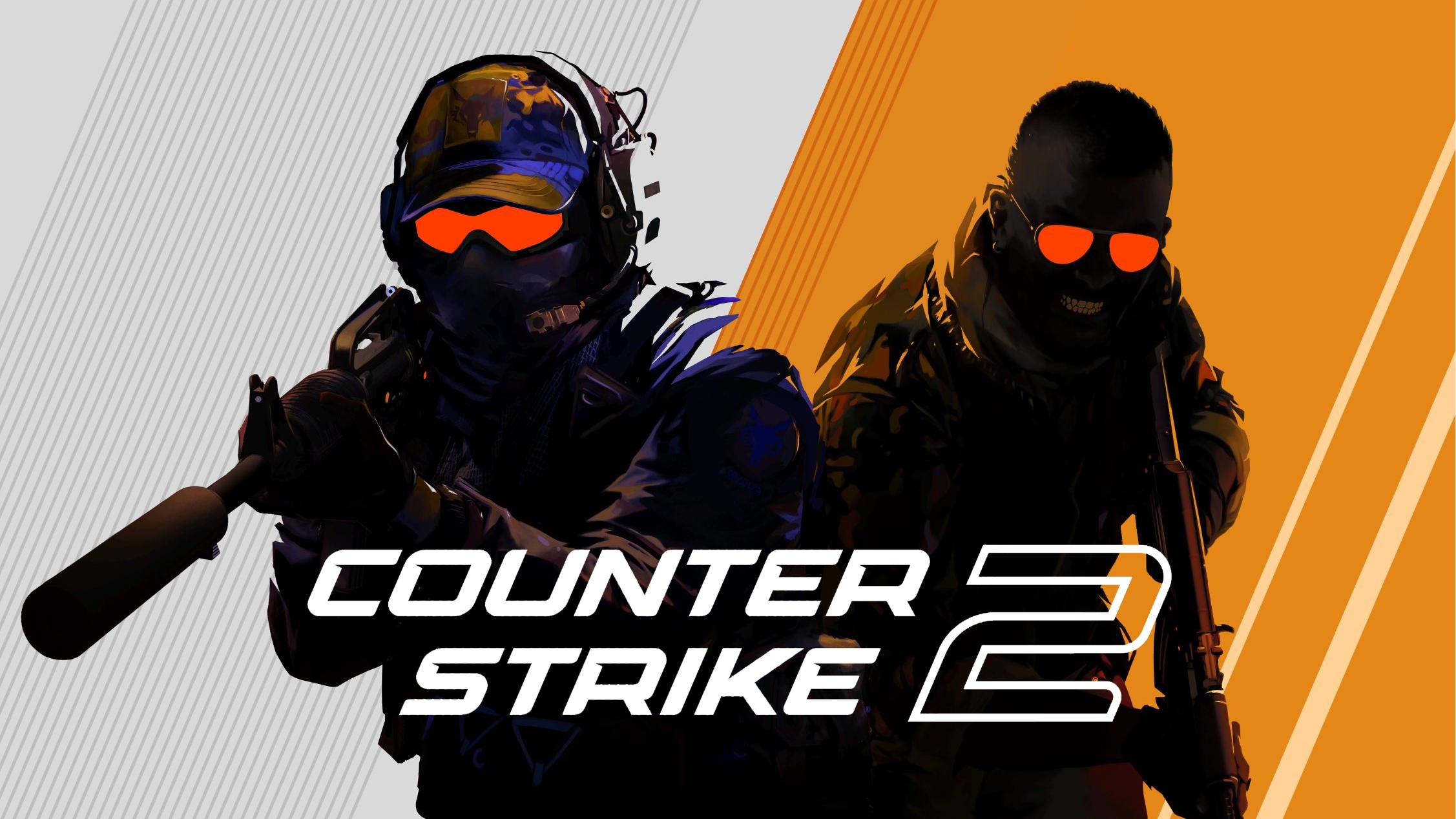
Real talk, the gunplay is where the ache lives first. You line up a shot, the crosshair is dead on the dome, you click, and the body just keeps walking. The community has been shouting about inconsistent hit registration, animation timing and shots that look right on the screen but produce the wrong result since launch. Much of that frustration circles back to subtick, the timing system Valve sold as the future. Counter-Strike has always demanded that you stop, counter-strafe and control your weapon before firing accurately, but plenty of regulars still believe CS2 does a poor job of showing exactly when those actions register. FACEIT cannot restore the old 128 tick setup because CS2 is locked into Valve’s subtick architecture. Serious players still run there for separate matchmaking, its own anti-cheat and a competitive environment they trust more than Premier. When your most committed crowd keeps rebuilding the experience somewhere else, that tells you plenty.
Then there is the ghost that never leaves. Cheaters.
Look, every online shooter has them. Counter-Strike has fought aimbots since the LAN cafe days. But this feels different, and the base knows it. Valve’s defense now includes traditional VAC detection, the machine-learning-powered VACnet system and VAC Live, which can cancel a match when cheating is detected. Ambitious. On paper it sounded like the answer to a decade of prayers. In practice? Folks still report walking into suspicious lobbies depending on region, rating and account trust, with some players convinced that a clean Premier session comes down to luck. Valve’s enforcement has misfired at times as well. After the launch of Premier Season Four in January 2026, legitimate users reported receiving false VAC bans before the affected penalties were reversed. Public trackers later recorded a sharp February wave involving thousands of Game Bans, many believed to involve boosting or farming accounts, though Valve never released an official total or explained exactly what every account had done.
And just this summer, Valve finally closed a nasty hole that allowed malicious players to avoid being processed by VACnet. The official update confirmed the fix but never explained how long the weakness had existed or how many matches it may have affected. Good news, sure. But sit with what had to be written in those patch notes. Players had found a way around the system responsible for examining suspicious behavior during the most profitable era the series has ever seen.
That is the part that gets me. The money is astronomical and the trust is running on empty. Plenty of committed grinders are drifting back to FACEIT or quitting Premier altogether, not because of one bad match but because they no longer believe every game is legit. Once you stop trusting the outcome, the whole climb stops meaning anything. Ask anybody who ever poured a year into a rank only to wonder if the person across the map bought or cheated their way there.
Matchmaking wears its own bruises. Premier Season Four reset player ratings in January and threw much of the population back into placement matches at once, which meant uneven queues while the system tried to sort everybody again. Season Five arrived in July with another reset and another round of calibration. Rating inactivity piles on too, with players regularly reporting that their visible number disappears after a relatively short break, although Valve has never publicly explained one exact universal threshold. Casual dudes with jobs and kids feel punished for having a life. The competitive heads I respect keep saying the same thing, that Premier introduced features they begged for, transparent ratings, map bans and real stakes, yet somehow became one of the most divided ranked environments the series has known.
Now here is where my Blerd heart really breaks, because I remember what we lost. Community servers still exist in CS2, and Workshop support has improved, but the old Counter-Strike wasn’t just the sweaty 5v5. It was surf maps at 2am, bhop lobbies, jailbreak, zombie escape and the goofy stuff that made the whole thing a hangout instead of a job. Much of that culture returned slowly, unevenly or without the visibility it once enjoyed. Years later, the ecosystem still feels thinner. Modes, maps and small community tools vanished during the move from Global Offensive, while every update seems to restore one piece without rebuilding the whole universe around it. And the Operations, those seasonal content drops with missions and rewards that gave you a reason to log in beyond climbing, remain absent. The last traditional one ended back in 2022, and the base is still out here in 2026 wishing out loud for another.
Valve never explained the reasoning, but it quietly gave the old Global Offensive its own standalone Steam entry again in March. Read that again. The ancestor returned from the grave while its replacement continues dominating the platform. The catch is brutal though. There is no official matchmaking on that build, your current inventory does not carry over, and most online play runs through community servers. It feels closer to a preserved playground than a fully restored home. Still, the fact that tens of thousands of people have shown up to play it says plenty about what the upgrade never completely replaced.
So what do we do with all this?
I’m not here to tell you the game is dead, because that would be a lie and the numbers would laugh at me. It is thriving. It is gorgeous. The core gunfight, when the timing behaves and the lobby is honest, remains the best in the business, and nothing else scratches that exact itch. That is precisely why the gaps sting. You don’t get this mad at something you don’t love.
Popularity is a magician. A million people online is a spotlight so bright you stop noticing the cracks in the stage. The suits can look at that concurrent count, look at the money pouring through cases and digital items, and reasonably conclude that whatever’s broken isn’t broken enough to touch the bottom line. The crowd keeps showing up. The cases keep opening. Why rush?
Because we deserve better than a slot machine wearing an esport’s jersey. Because the people who kept this world alive through every rough patch earned a title that respects their clicks, their hours, their rank and their intelligence. A game can be the biggest one on the platform and still owe its audience a more complete product. Both truths live under the same roof.
I’ll keep queueing. Of course I will. But every time I dodge a suspicious player, eat a bullet that should’ve dropped somebody, or scroll past a server browser that used to feel like a whole universe, I feel the same quiet thought settle in. This giant is still under construction. And the strangest part is that being enormous is exactly what lets it stay that way.
Staff Writer; Jay Baker
An older blerd with a lifelong love for anime, comics, manga, and gaming… Writing for fans who still believe great stories can come from a screen, a page, or a controller…
He can be contacted at JayBaker@AfroGamers.com.