
(AfroGamers.com) Few franchise reinventions in modern gaming have been praised as thoroughly as Santa Monica Studio’s Norse era God of War, and few have quietly surrendered as much of their original identity in the process. Emotional maturity arrived. Volatility departed. Whether that exchange strengthened the series or simply made it easier to admire remains a conversation the fanbase has largely avoided having.
Look, I’m not about to sit here and pretend Santa Monica Studio didn’t cook. That Norse run is gorgeous, well acted, thoughtfully written, and it moved a whole lot of grown men to tears in their living rooms. My problem isn’t quality. Whole issue here is what got traded away while everybody was busy applauding.
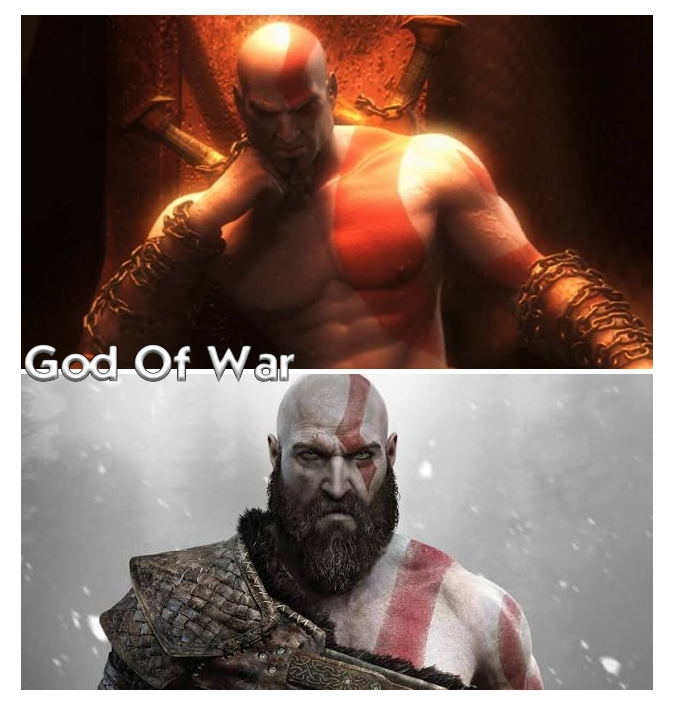
Back in 2005, when that Greek nightmare first dropped on PlayStation 2, we weren’t playing as a hero. We were playing as a problem. A walking catastrophe with the ashes of his murdered family cursed onto his skin and zero interest in your feelings about it. Ares tricked him into slaughtering his own family, and instead of processing that trauma in healthy increments, dude went to war with heaven itself. No therapy arc. Zero slow burn toward wisdom. Just a man who decided the entire pantheon would answer for what happened to him, and then made good on it.
That version scared people. Genuinely scared them. You’d watch him rip a soldier’s head off and feel something uncomfortable crawl up your spine, because the game never once asked you to admire him for it. Athena would show up talking about balance and destiny, and our boy would basically tell her to save the speech. Every conversation felt like negotiating with a live grenade. Nobody in Olympus knew what he’d do next, and honestly? Neither did we.
Then came Norse mythology, and suddenly the Ghost of Sparta became a dad with communication issues.
Here’s where my Blerd brothers and sisters start typing angrily, so let me be clear about the argument. Character growth in gaming is good. Absolutely necessary, even. We’ve spent decades watching muscle bound protagonists grunt through campaigns with nothing resembling an inner life, so seeing a franchise mature its lead into something complicated deserves credit. What bothers me is the specific direction that maturity took, and what the studio decided maturity had to look like.
Restraint became the entire personality.
Think about how often that Norse duology asks the old man to hold back. He teaches Atreus to control his temper. Apologies get handed out for his methods. Shame about his history sits visible on him across two full games while he tries to outrun the reputation he earned honestly. Modern God of War treats his former self like an addiction he’s managing, one careful breath at a time, and structurally the games reward him for keeping that beast in a cage.
Cool message. Terrible loss for a series built entirely on unleashing that beast.
Compare the pacing sometime. Greek era combat threw you into arenas stacked with enemies and let the chains fly in wide, reckless arcs. Chaos everywhere. You’d juggle three minotaurs while a hydra head swung overhead, and the whole thing felt barely survivable, like the fiction itself was fraying at the seams. Norse combat, for all its weight and craft, is deliberate. Measured. You’re managing stagger meters and cooldowns, checking your gear score, thinking about builds. Excellent design work, no argument from me. Different sensation entirely.
One system simulated a rampage. Another simulates a professional at work.
The bosses tell that same story. Remember the colossal set pieces from the trilogy? Cronos crawling across the desert with a temple strapped to his back. The Colossus of Rhodes towering over an entire city while you scrambled across its arm. Scale that made you feel like a bug that learned to bite back. Many of the Norse era’s most important encounters lean toward intimate duels against humanoid opponents of roughly comparable size, and while the Valkyrie fights are genuinely superb tests of skill, they don’t produce that specific vertigo the older games manufactured almost casually.
Something else disappeared too, and this part nobody wants to discuss at the cookout: the ugliness.
Original God of War let its protagonist be genuinely, unforgivably rotten. He’d shove innocent people into traps to solve puzzles. Allies got abandoned mid sentence. That infamous cage sequence where a man begs for his life and you use him anyway? Santa Monica put that in on purpose, because nobody was supposed to root for this guy. Watching a person hollowed out by grief become something monstrous, then sitting with how that felt in your hands, was the whole exercise.
Modern entries sand every rough edge into something palatable. Our guy still kills, obviously, but the fiction constantly reassures us he’s got reasons. Enemies attack first. Threats are established. Moral positioning gets handled before blood spills, so nobody watching a stream has to feel weird about enjoying it. Safe. Marketable. A protagonist you can put on a Father’s Day post without irony.
Unpredictability was the franchise’s actual signature, and it went out the door with the Blades of Chaos aesthetic.
Let me push this further, since I’m already in trouble. Ragnarök spends a shocking amount of its runtime having characters talk him out of things. Freya wants revenge, he counsels patience. Charging ahead is what Atreus keeps pushing for, and caution is the answer he gets. Mimir cracks jokes about how much the old man has changed. The narrative architecture of that game positions our Spartan as the voice of reason inside a cast of hotheads, which is genuinely funny when you consider he once murdered his way through Greece after years of divine manipulation, betrayal, and revenge.
Wisdom looks good on him. Danger looked better.
There’s a version of this story where growth and menace coexist, and occasionally the Norse games flirt with it. That moment in 2018 when he unleashes his rage after Atreus collapses during the confrontation with Modi, or the raw brutality of the Baldur fight, or those brief flashes where his temper slips loose and everyone nearby remembers who they’re standing next to. Those beats are electric precisely because they violate the game’s own rules about him. Santa Monica clearly knows what they’re sitting on. They just ration it like it’s rare.
Rationing was the wrong call.
My honest read? The industry shifted, and the franchise shifted to survive. Prestige narrative became the currency around 2013, and studios chasing critical respect learned quickly that emotional interiority scores better than spectacle. Every major series started giving us complicated fathers, quiet campfire conversations, and protagonists working through something. God of War played that game brilliantly and won. Awards, hearts, an entire new audience who never touched the PS2 originals.
Winning cost the series its weirdness though, and weirdness is worth something.
Nothing on the market right now feels like Greek era God of War felt. Doom gets close on pure aggression, but Doom Slayer is a power fantasy without the psychological rot underneath. Devil May Cry has style and flash minus the genuine cruelty. That specific cocktail of mythological grandeur, personal damage, and complete moral bankruptcy hasn’t been replicated, mostly because the studio that perfected it walked away from the recipe.
We got a better character and a smaller experience.
Ask yourself honestly what stays with you longest. Some of y’all will say the boat conversations, the way Mimir’s stories filled the silences, the ending of Ragnarök and everything it implied about legacy. Beautiful answers, all valid. Others will admit that what lodged permanently in their memory was Zeus getting beaten so thoroughly the screen went red, or the sheer audacity of a mortal dismantling an entire religion out of spite.
Both versions matter. Only one of them was singular.
So as Santa Monica Studio prepares God of War Laufey and continues working on a remake of the original Greek trilogy, I’m hoping somebody remembers that his rage was never merely a character flaw to be corrected. Rage was the thesis. Everything interesting about him grew out of that soil, including the fatherhood arc everybody loves. Strip it entirely and you’ve got a well written dad simulator wearing a legendary name.
Give me the old man who learned something. Keep the part that made gods nervous.
Staff Writer; Jay Baker
An older blerd with a lifelong love for anime, comics, manga, and gaming… Writing for fans who still believe great stories can come from a screen, a page, or a controller…
He can be contacted at JayBaker@AfroGamers.com.