
(AfroGamers.com) Gaming has always involved some way of rewarding the player, and in the genre’s earliest days, that usually meant little more than a congratulatory splash screen upon completion and perhaps our name on the high score leaderboard. Things have come a long way, and we’re now at the point where rewards are a persistent, frequent part of gaming, whether that’s in the form of achievements and leveling up or something as imperceptible yet psychologically impactful as getting an audiovisual cue whenever an item is collected, or an enemy is defeated.
The problem with this change is that gearing games towards constantly rewarding players actually makes the experience less memorable. Here’s why, and which modern games manage to sidestep this issue.
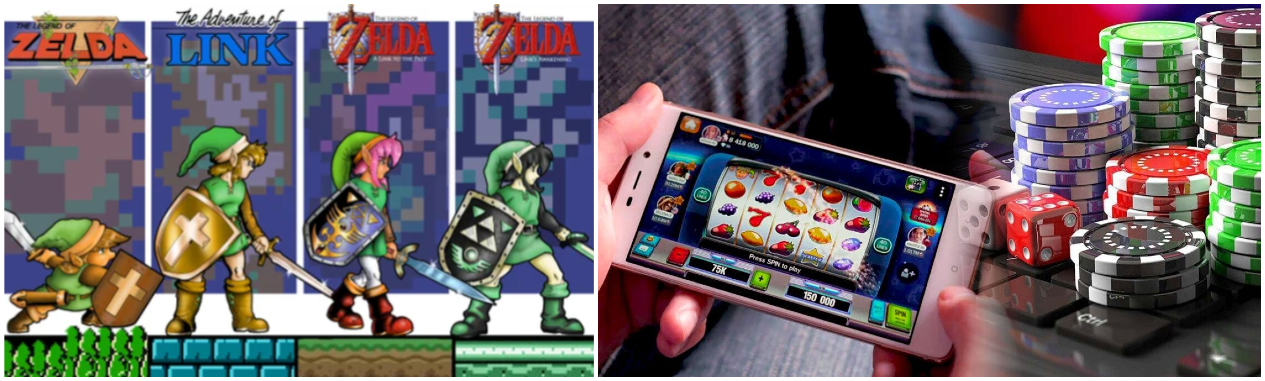
The Immersion Issue
Games worth remembering are those that immerse us in their worlds, and the more rewards chucked into the experience, the more likely it is that the player’s immersion will be broken. Can you imagine Half-Life 2 being as critically acclaimed if the action was interrupted every few seconds to congratulate the player on getting a headshot or killing a certain number of Combine soldiers?
Of course not all games are immersive in this same way, and don’t need to be. The games on chance on Planet 7 Casino benefit from pushing reward-focused design, for example. The point is that narrative-driven, single-player games need to avoid falling into the same trap.
Some series still do well in this regard. The Last of Us arguably leads the field, although Elden Ring is another good example of a game that retains immersion while still integrating regular rewards and progress markers.
The Overt Hand-Holding
Another drawback of reward-focused game design is that it can also remove the opportunity for memorable moments because it puts too much emphasis on guiding the player at all times, pushing them toward an objective with map markers and HUD elements. Developers are so worried about players becoming disengaged that they can end up with experiences that lack that all-important element of discovery.
Again, there are games that strike a better balance here, and it’s something that the Legend of Zelda series continues to do, even with the more recent open-world entries on the Switch. Exploring the vastness of Hyrule feels memorable because the games give players the freedom to go where they want and do what they want almost from the get-go. There are map markers and objectives to use, of course, but they aren’t forced.
The Constant Progress
Lastly, there’s an argument to be had over whether modern games that prioritize rewards are too lenient when it comes to saving player progress. If there’s little to no penalty associated with failing a mission or dying, then games can be rushed through and feel disposable.
Again, Elden Ring and the Dark Souls franchise that preceded it provide the best modern interpretation of what classic games offered in this regard. Death means something because there’s a real loss of progress associated with it. And eventual victory over bosses is all the sweeter and more memorable because of the slog involved.
So, the industry isn’t completely swamped with excessive rewards. It’s just that developers need to find the right places to use them, rather than chasing engagement above all else.
Staff Writer; Fred Poole