
(AfroGamers.com) The Tekken franchise dropped in 1994. First in the arcades and shopping center entryways and months later on the original PlayStation in March 1995. My first actual encounter with Tekken was in 1996 via a Tekken 2 combo guide in a gaming magazine.
Which magazine escapes me and I don’t think it’s particularly important but I will say my main gaming mag in middle school was GameFan. However, I’m leaning towards it being the guide from Electronic Gaming Monthly. Everyone read different gaming mags at the time.
Stories in Fighting Games at the Time
Prior to discovering Tekken, I was mostly a Street Fighter Alpha-Night Warriors guy. Capcom’s artwork by the time these two games came out intrigued me. It was the same style from X-Men: Children of the Atom. One thing that didn’t wow me at the time was the story and background stories for the characters.
Mind you, it’s the 90s and these games were ported to console where you had time to enjoy it without much interference. Playing the arcade version where you’re sinking coins in and trying to conserve continues, story was barely secondary. Also, the story after beating a final boss wouldn’t even be that rewarding.
Also, you often picked up these games without much context as to why all these fighters were gathered for a tournament. The little context you got was guaranteed to be lost after time dedicated to beating Shadaloo. Hell, even in arcade best ‘em ups, you pretty much just advanced through levels slamming the Mad Gear Gang who didn’t get much fleshing out story-wise until later Street Fighter games.
So, again, not very important. Then Tekken game along.
Tekken: Bringing Long-Running Storytelling to Fighting Games
While Street Fighter, Fatal Fury, King of Fighters, and Mortal Kombat released before Tekken and had somewhat defined stories, Tekken was closer to Mortal Kombat in that they were actively building something to told over the years. You could say that SNK was doing this as well but their stories were simply told in the 90s, I feel. Actually, Mortal Kombat was like that to a degree but there was a reason for new characters to be added and they were given a sliver of story to get you adequately invested.
Tekken came at a time when arcade cabinets and home consoles allowed developers to do more as far as mechanics, animations, graphics and yes, story. What I liked about this period is that characters who didn’t seem the most appealing initially were more fleshed out to the point that they got some play.
I mean, my favorite fighter in Tekken is Paul Phoenix. The PlayStation period Tekken games gave just enough to pique your interest in different fights with cutscenes at the end fighters’ journeys and some good write-ups in the manual and guide but with Tekken 4 in 2001, we got a lot more. Not only that, Namco only added more and more lore with each main entry.
You see, I’ve never been a fan of sliding timelines where retcons play a heavy role or slow-moving timelines where characters age but we have little to no idea where we are in the series’ timeline. I can tolerate a reboot but what I love is a story told in chronological order through the years.
The Mishima and Friends
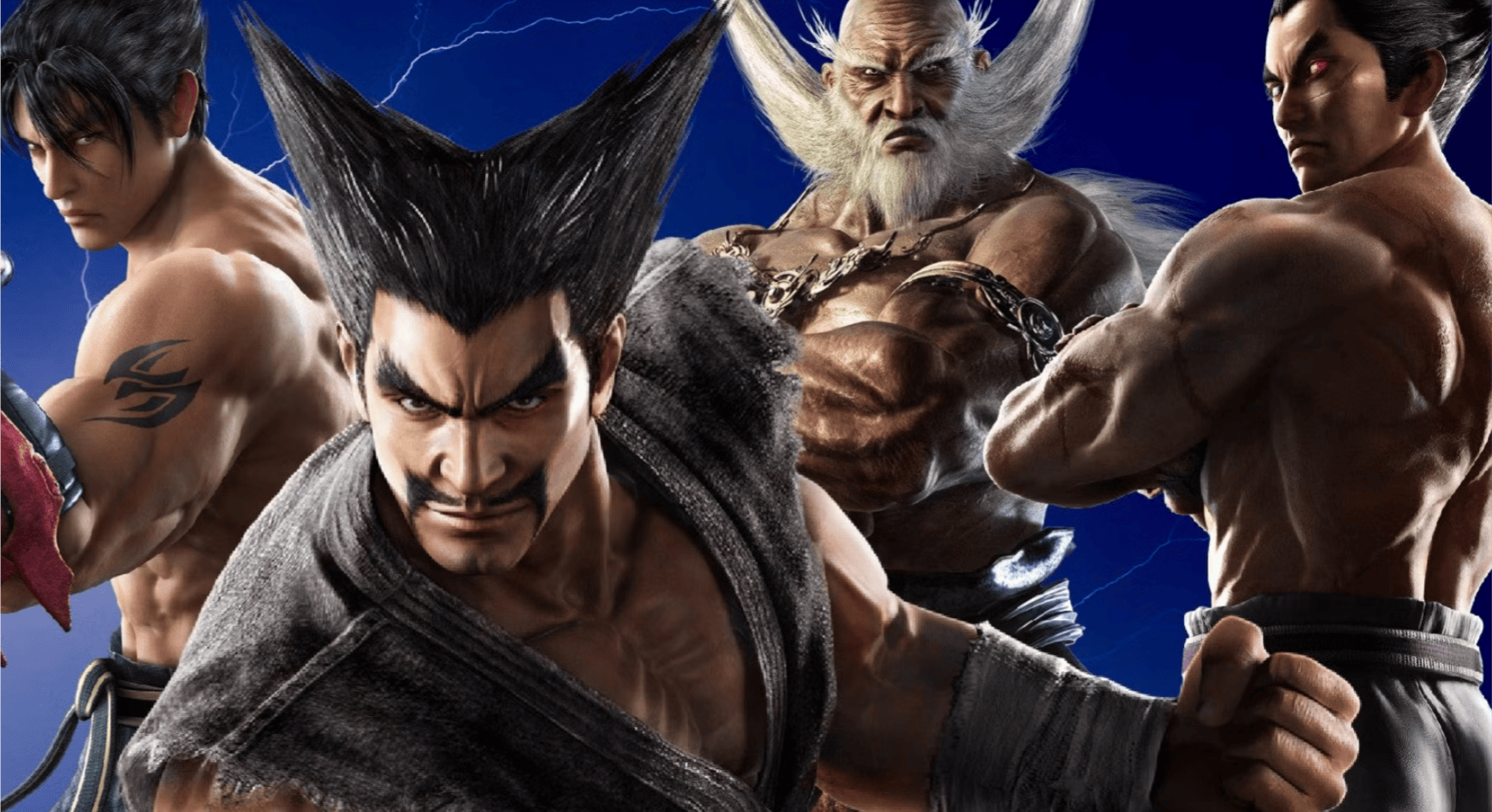
While Tekken has a variety of characters and a large cast over 30 years, it has a timeline of events, characters age, kids are had, and they have lives outside of fighting in this tournament or dealing with the Mishima family. Of course, it’s the Mishima family drama that anchors the series’ story and it works!
The fighters either have some relation to another character but they’re all binded by involved in the different Iron Fist Tournaments. It’s the epic of fighting games told through multiple generations of Mishima in a “sins of the father” sense. By today’s writing standards, it might be simple on paper but how Namco Bandai executed it over the decades keeps me picking up a new Tekken title and enjoying the story from different character perspectives.
That’s always a strong series writer skill: having characters with their own noticed and enjoyable stories who happen to be involved in the major ongoings either directly or because of some related event. It’s what makes these characters worth keeping around and not a throwaway character.
Mind you, I’m familiar with the old takes that it’s a messy storyline. A few friends of mine even asked when does it end since the game came out when we were all finishing elementary school. Personally, I like this degree of messiness in action or fighting games because there is usually lore and development to accompany it.
Let us know your favorite fighting game storylines and if you’re a fan of Tekken’s story in the comments!
Staff Writer; M. Swift
This talented writer is also a podcast host, and comic book fan who loves all things old school. One may also find him on Twitter at; metalswift.