
(AfroGamers.com) The global manga business has grown into one of the dominant forces in worldwide entertainment.
So somebody explain this to me. The whole world is eating this stuff up. Then why do fresh stories keep catching the axe before anybody even learns their names? Been chewing on that one a while. Feels like nobody in a suit wants to touch it.
Peep the money first. Japan’s domestic manga market reached a record 704.3 billion yen in 2024 after seven straight years of growth. Sales cooled a little in 2025, falling 1.7 percent to 692.5 billion yen, but digital manga still brought in 527.3 billion yen and accounted for more than three quarters of the entire market. Manga Plus drops translated chapters around the world alongside their Japanese releases, so somebody in Nairobi can open a story the same day it reaches a reader in Osaka. One hit anime adaptation can turn an unknown title into a franchise. Books are moving. No cap on that.
Then you turn around and stare into the graveyard.
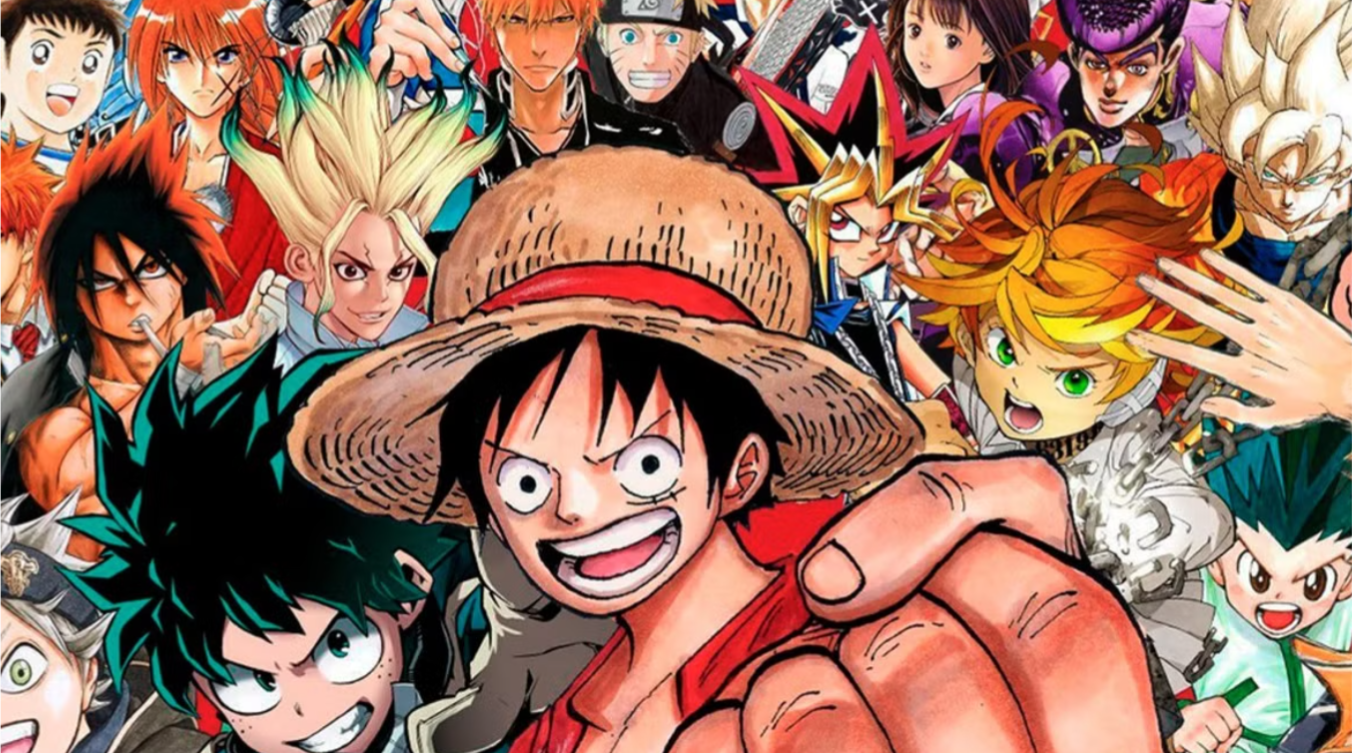
Shueisha runs Shonen Jump+, the digital home that gave us Dandadan, Kaiju No. 8, and Spy x Family. Those became major franchises, spun off into anime, merchandise, games, and the rest. Nobody is out here crying for them. But scroll under that glossy top tier and you hit a rotating cast of debuts that show up, grab a first chapter, then vanish so fast you would swear they never ran at all.
This year the pattern turned loud across both Weekly Shonen Jump and Shonen Jump+. Gonron Egg, gone after twenty one chapters. The Mage Next Door wrapped after twenty one. Hero Girl and Demon Lord Call It Quits got shut down around the five month mark with barely twenty one chapters to its name, and the rough part is fans mostly saw it coming. Otr of the Flame closed out in January after thirty four chapters. Blood Wing Hunter, a series from Ryuji Kunimoto, ended at number thirty six on Shonen Jump+. The God Before Me finished in July after fifty three chapters, with Money Forest following at twenty eight. Not every one of those endings happened under the exact same circumstances, but some of these titles barely had time to establish themselves. You may never have heard them whispered about, which is sort of the entire point.
Here is how one part of the machine runs, and I want you locked in so you understand it. Weekly Shonen Jump keeps a tight number of print slots. Fans treat where a story appears in the table of contents as a rough sign of its standing, even though color pages, new launches, promotions, and editorial scheduling can move a title around. Reader surveys, collected volume sales, and audience response still carry serious weight. Stay popular and you buy yourself more time. Struggle for a long enough stretch and start writing your goodbyes. Ten series were reportedly cut in 2025 while three more reached something closer to natural endings. This calendar year has strolled down the same road without blinking. Jump+ has more digital room than the print magazine, but it is not some safe shelter where every story gets unlimited time either.
The cold logic checks out, I will grant them that much. A publisher spends staff time, promotion, editing, and money keeping a low performer alive while a hungry rookie waits for a shot. Slots open, fresh blood rushes in, and whoever could not grab enough eyeballs in a handful of months quietly disappears. On a spreadsheet, real neat. From where I sit, it feels a lot closer to a talent grinder than a house for storytellers.
Think about what that pace actually asks of a person. You spent years drawing in the dark, praying for one break. Eventually you land a spot in the most famous publication your art form has produced. And you may get only four or five months to convince a distracted global audience to fall in love before the numbers hand down your sentence. No slow burn. Zero cushion for a rocky start that develops into a classic. Some of the greatest runs in history stumbled out the gate. A newcomer today rarely gets that grace, and everybody in the building knows it.
That is the piece that eats at me most, honestly. We keep hearing how healthy the whole scene is, how the culture won, how the nerds finally got their flowers. Plenty of that is true too. I came up getting clowned for this stuff in the lunchroom. Now it is on billboards. Part of me feels a little vindicated, real talk, along with everybody who rode with it back when nobody else would. But a booming market and a generous one are not the same animal. You can be thriving and still treat the folks making the art like disposable napkins.
There is a real toll buried in all these quick endings, and it reaches way past bruised feelings. When publishers only bet on concepts that spark instant heat, everybody starts chasing familiar formulas. Battle fantasy. Supernatural action. Exorcist stories. Whatever blew up last quarter. The weird little swing that needed room to breathe hardly gets a shot, because weird takes patience, and patience is the one currency nobody is handing out. With Jujutsu Kaisen Modulo and Chainsaw Man both taking their bows in 2026, the lineup has lost two powerful names. You have to wonder who exactly is being groomed to fill those shoes when the pipeline chews through rookies this fast.
Now I am not up here claiming every axed book was some hidden masterpiece. A bunch of them earned their ending fair and square. Certain concepts just do not land, and a reader’s attention is a real resource nobody is obligated to hand over. All fair. But there is daylight between a book failing on its own steam and a book never being allowed to grow into whatever it might have become. When the window shrinks to a few months, you are not really testing craft anymore. You are testing whether lightning struck on day one.
And here is the trap in how we measure all this. We look up, see Dandadan and Spy x Family sitting fat and happy, and figure the machine must be healthy from top to bottom. Survivorship bias, plain and simple. We notice the ones who climbed out. The ones who got buried? They do not trend. No think piece. Not even a proper send off. You just stop seeing a name one week, and nobody clocks why it went dark. That silence is the design doing its job, and it is what leaves the whole party feeling hollow once you actually sit with it.
We hold a little power in this too, and we barely flex it. Platform front pages, recommendation systems, and social feeds keep pushing the giants because the giants already won. Comfortable. Familiar. But those obscure debuts nobody is tweeting about? Somebody poured years of work into those pages, survived brutal deadlines, and bet a piece of their future on the result. Poking around past the front page, giving a strange new title an honest look, tossing a few dollars its way ahead of any trend, that is how ordinary folks push back against a system built to reward whatever is already famous.
So yeah, the medium is winning. The billions are legit. The sales records were real too, even if Japan’s domestic market cooled slightly in 2025. Just do not let the glow up top hide what is rotting at the bottom. New talent gets a runway that feels shorter by the season while everybody toasts how high the industry flies. Bigger than ever, sure. Kinder to the folks actually making it? Different question entirely, and the answer right about now is not looking too generous.
Staff Writer; Carl Davis
This bro has always been into gaming, anime, manga, old-school sitcoms, and just about anything connected to nerd culture. A proud Black blerd for life, CD enjoys writing about the shows, games, and characters that have stayed with him over the years.
Feel free to drop him a message at CarlD@AfroGamers.com.