
(AfroGamers.com) Kimetsu no Yaiba is one of the best looking pieces of animated work ever put in front of an audience, which is not a controversial position to hold. Ufotable animated this thing like the studio had declared war on visual restraint. The trouble surfaces once you look past that polish, because the writing underneath plays about as safe as a Sunday sermon, and the gap between those two things has bothered me for a while now.
Let me say the obvious part first so nobody accuses me of hating. Ufotable makes gorgeous television. When Tanjiro pulls that blade and the water effects bloom across the frame like ink dropped in a clear glass, my whole living room goes quiet. My cousin who does not watch anime sat through the Mugen Train movie with me and asked, out loud, how they made fire look wet. That is the power we are dealing with. The studio treats every clash like a music video shot by somebody with a grudge against flat lighting.
The sound design carries just as much weight. Yuki Kajiura and Go Shiina built a score that swells at exactly the right half second, and LiSA singing over the opening set a bar that half the industry is still trying to reach. You hear those first strings and your posture changes. Even people who dropped the show after the first cour will admit the audio hits like a live band at a homecoming tailgate.
So the presentation is elite. Nobody with functioning eyes is arguing that.
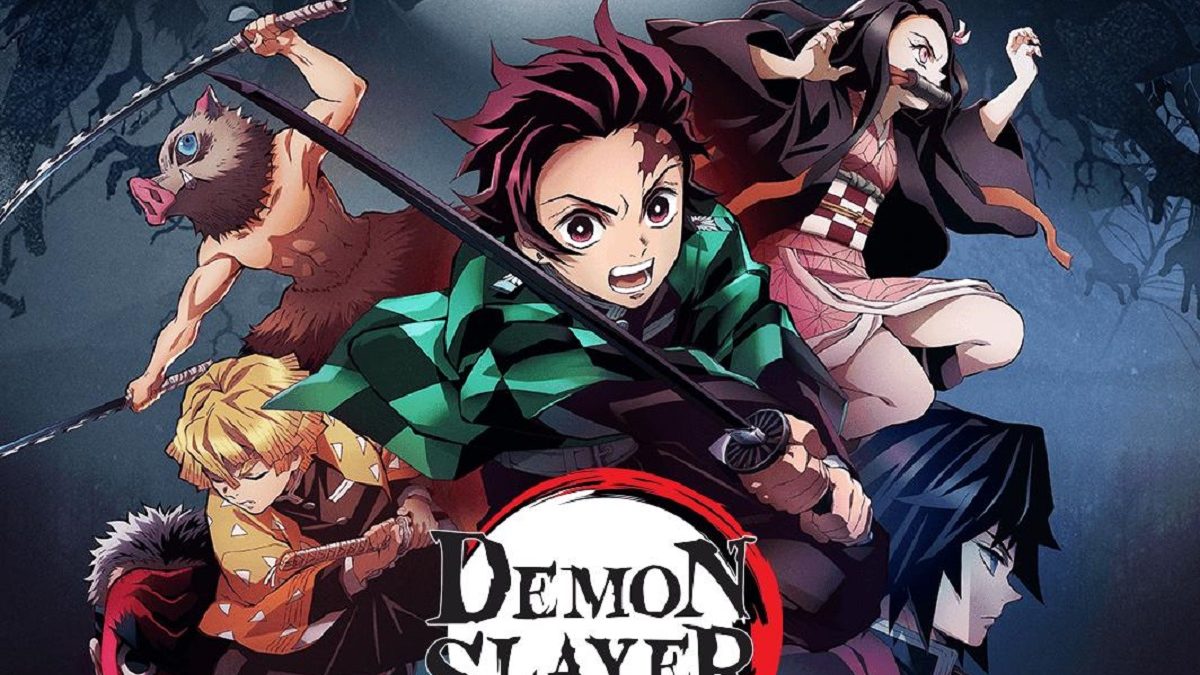
My problem sits somewhere else entirely. Underneath all that gloss lives a plot so tidy you could predict its beats from a bus stop three towns over. Boy’s family gets slaughtered. Sister survives as a monster. Boy joins an organization, climbs a ranked ladder, fights progressively stronger opponents, and finally battles the big bad in the final act. That is the shonen skeleton, unmodified, unbothered, untouched by any real experimentation. Gotouge drew it clean and drew it well, but clean is not the same as bold.
Consider how the villains get handled. Most significant demons receive a tearful flashback as defeat closes in. First time, I felt something real. Rui and that fake family, the desperation of a lonely child stitching together relatives out of corpses, genuinely moved me. Second time, I nodded. By the fifth or sixth sad memory montage, I started checking my phone. Sympathy became a scheduling item rather than a surprise. When you can time the tragedy reveal down to the second, the emotional machinery stops working and you can hear it grinding.
Compare that to what other franchises risked around the same years. Hunter x Hunter took its most beloved character and put him through a mutilation arc that permanently reshaped that world. Attack on Titan? Isayama convinced us of one moral arrangement for seasons, then flipped the whole map and dared everybody watching to keep cheering. Vinland Saga went further. Thorfinn spends years chasing revenge, gets it taken from him, and has to sit in the wreckage figuring out who a man is once you pry the sword out of his hand. Every one of those swings could have missed badly. Swinging anyway is the point.
Now think about Tanjiro. Where does he actually change? Kind, stubborn, allergic to giving up on his sister, that is the boy we meet in episode one. The same description fits him at the finish line, only older, stronger and permanently scarred. There is one late transformation after Muzan forces his blood and will into Tanjiro, but the story reverses it so quickly that the darkness never has time to reshape him. Progress for this character means new techniques and stronger arms. Nothing rearranges inside.
Nezuko frustrates me even more. Here is a character with enormous conceptual potential, a demon who protects humans, a walking contradiction of everything the corps believes. What does the writing do with her? Bamboo in the mouth for most of the runtime. A backpack. Occasional bursts of pyrotechnics when the plot requires a save. She barely speaks for entire seasons. Her interiority stays locked in a box because giving her a voice would complicate the moral clarity the whole thing depends on. That is a risk left on the table.
The battles themselves reveal the same conservatism. Breathing styles are presented as a system, complete with forms and lineages and elemental branches, yet almost nobody solves problems through clever application of that system. Fights resolve through determination. Somebody remembers a dead relative, screams, swings harder than physics should allow, and wins. Contrast that with something like Hunter x Hunter’s nen rules, where victory usually belongs to whoever thought three steps ahead. Here, thinking rarely beats feeling. Willpower functions as a cheat code the writing reaches for whenever a corner gets tight.
Death gets the same soft treatment. Characters do die, and some of those losses hurt. Rengoku’s finale still gets brought up in every barbershop anime debate I have witnessed. But watch what happens immediately afterward. Warm light. Deceased loved ones appear in a golden field. Approval, hugs, closure delivered in a bow. Grief usually becomes a gentle handoff rather than an open wound. The survivors carry loss, but the story rarely allows bitterness, uncertainty or emotional damage to remain untreated for long.
Let me argue against myself for a minute, because waving off sincerity has become its own lazy move. A whole lot of folks showed up here worn out by irony, sick of shows where being decent gets treated like being stupid. Watching a boy’s kindness function as actual strength carries real value, and I say that as somebody who grew up when cynicism was mistaken for intelligence. Gotouge wrote a fable. Fables run on repetition and clear moral lines, that is the machinery, that is how they teach. Even the sad demon flashback pattern I complained about earlier says something honest about cycles of harm, about monsters getting manufactured by circumstance rather than born. You could look me dead in my face and say the predictability was intentional, that comfort counts as an artistic goal, that the numbers settle the argument. Fair enough. Mugen Train becoming Japan’s highest grossing film, followed by another historic run for Infinity Castle, is not nothing.
Here is where I hold my ground, though. Ambition and accessibility have never been enemies. Fullmetal Alchemist Brotherhood handled genocide, theology, and a government built on human sacrifice while staying perfectly readable to a fourteen year old. Oda buries genuine political commentary inside a pirate cartoon and nobody complains. Easy to follow is not the same as unwilling to gamble.
What frustrates me most is the suspicion that the spectacle covers for the script. Strip away the particle effects and the orchestral swells, put those same plot beats in a mid-budget production with stiff key frames, and I do not believe this thing becomes a phenomenon. The technical achievement is doing heavy lifting that the writing has not earned. Watching the Infinity Castle material, I felt genuine awe at the craftsmanship and mild boredom at the developments happening inside it. Both feelings, at once, in the same scene.
That does not make it bad. Read none of this as a takedown. I will keep watching, I will keep buying tickets, and my arms will keep getting chills the second that music kicks in. My wish is smaller and far more specific. Give a beloved character a choice that cannot be forgiven. Hand Nezuko an actual voice. Allow somebody to stay dead without the golden reunion afterward. Trust that an audience which showed up for beauty can sit with discomfort too.
Right now, the sword swings look incredible. What they cut through rarely bleeds.
Staff Writer; Jay Baker
An older blerd with a lifelong love for anime, comics, manga, and gaming… Writing for fans who still believe great stories can come from a screen, a page, or a controller…
He can be contacted at JayBaker@AfroGamers.com.